Thomas Reports was created in 2006. For over 30 years Fred Thomas, III developed a successful career in real estate financing, focused on consumer lending. He is a licensed broker (DRE 01097630) and has managed over two-thousand closed transactions. ThomasReports was created to weave writings and passions under one platform; Real Estate, History, Travel & Culture, Politics and Technology. In today's social media demands, Thomas' voice has been recognized as an official Influencer, Tester and Reviewer for international marketing organizations.
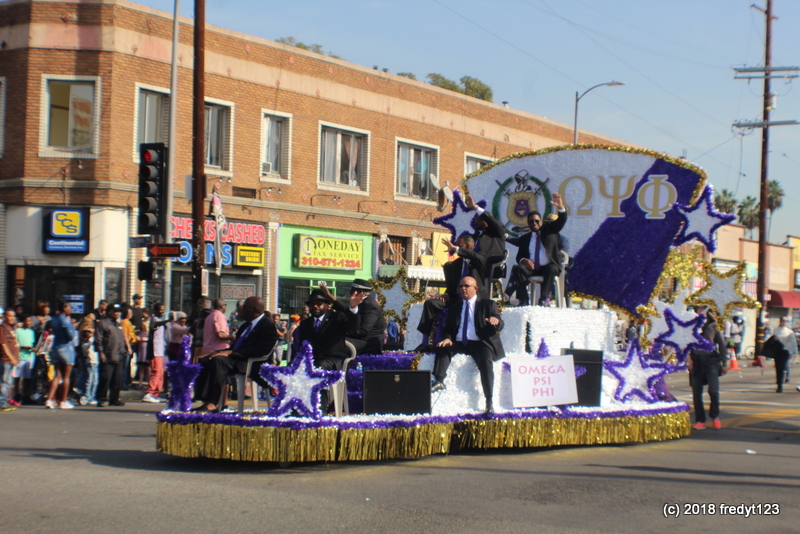
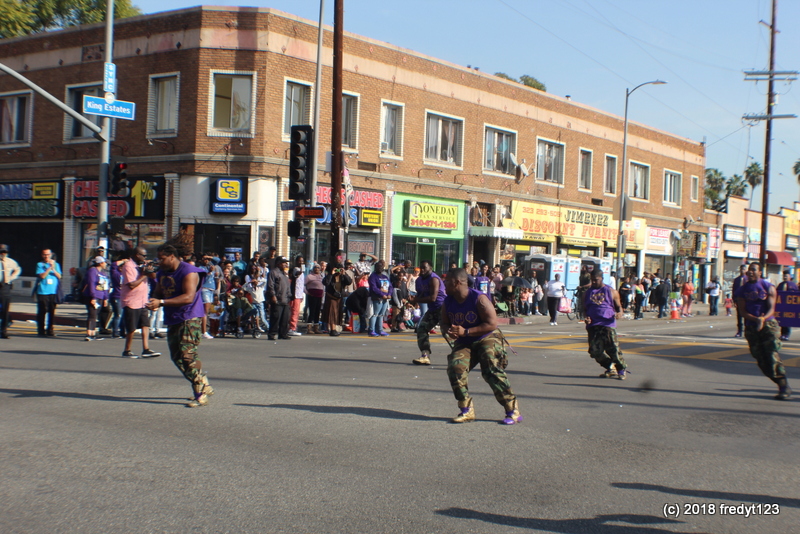
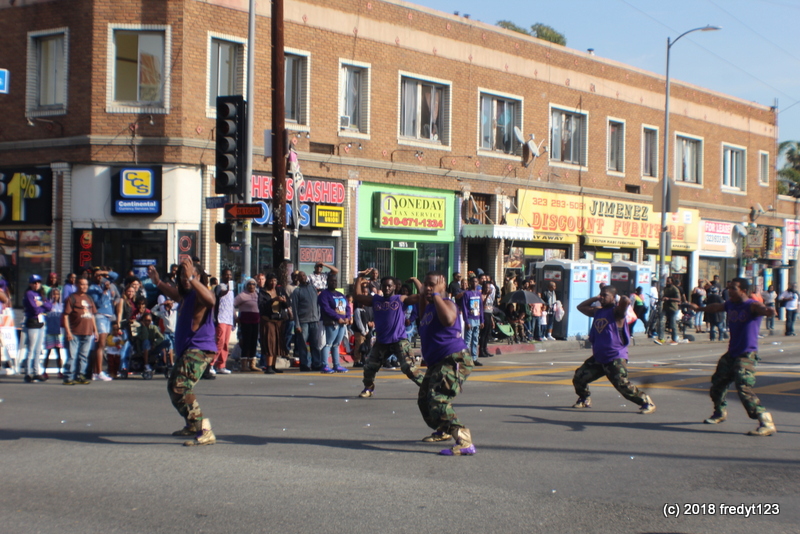
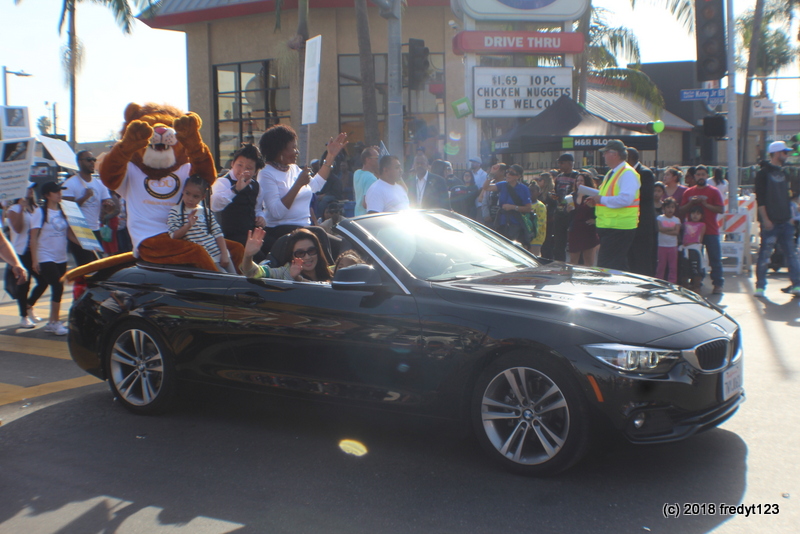
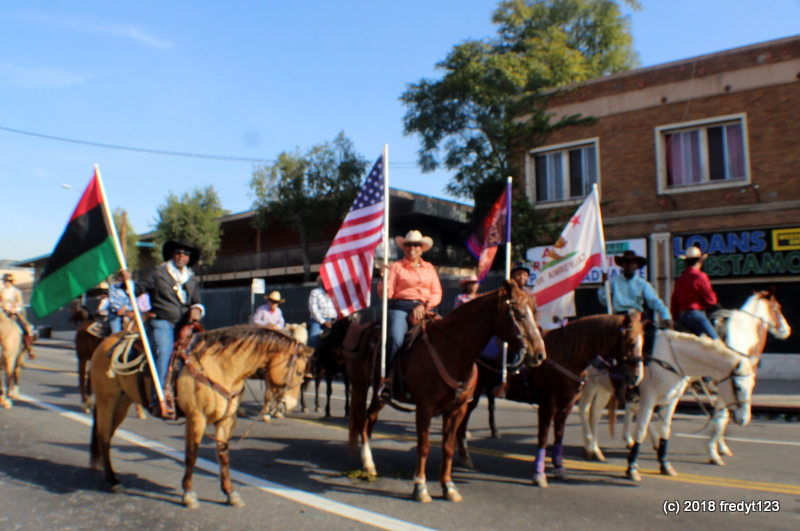
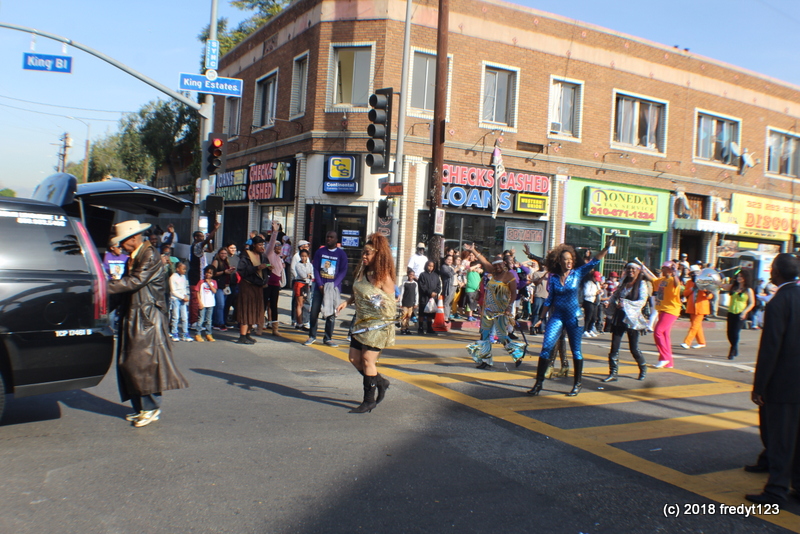
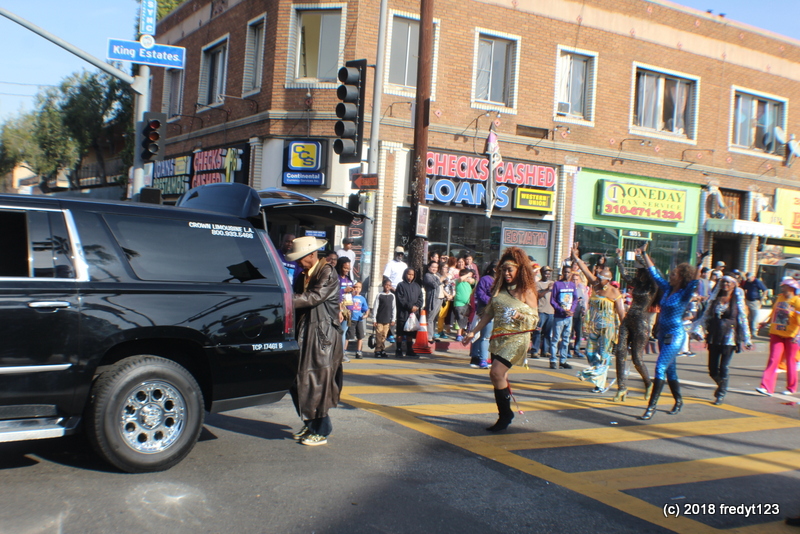
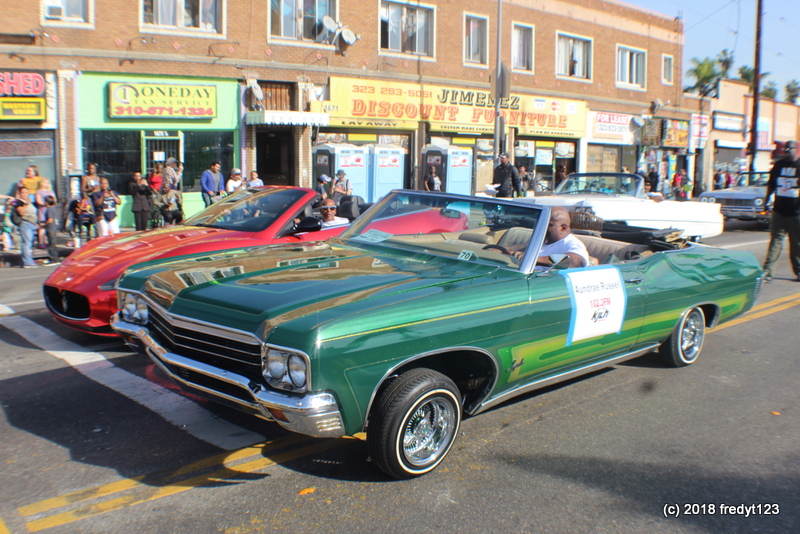
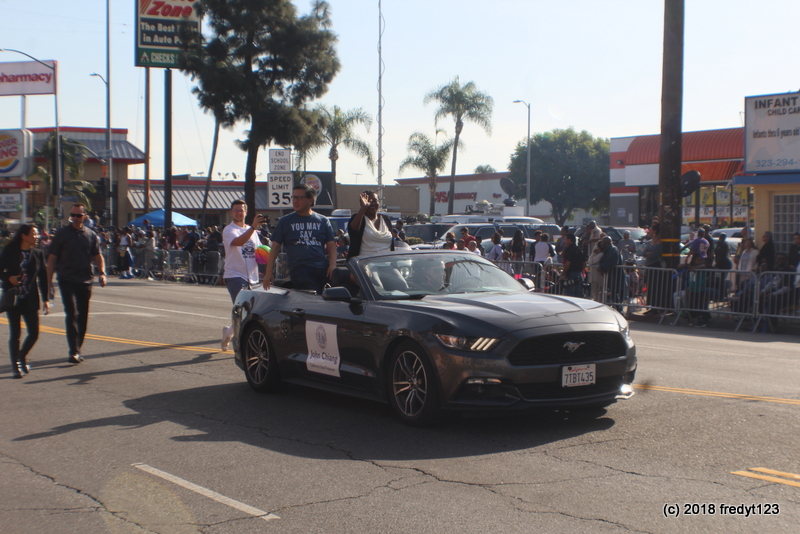
[Los Angeles, CA] Known as a great city in a huge desert people can count on Los Angeles to offer dry weather. Such was the case as the nation commemorated Rev., Dr Martin Luther King, Jr.’s birthday on Monday, January 15th.
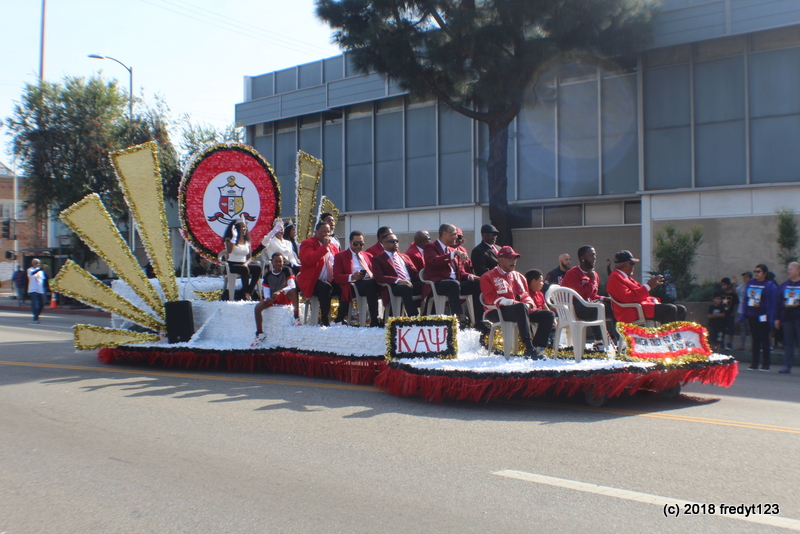
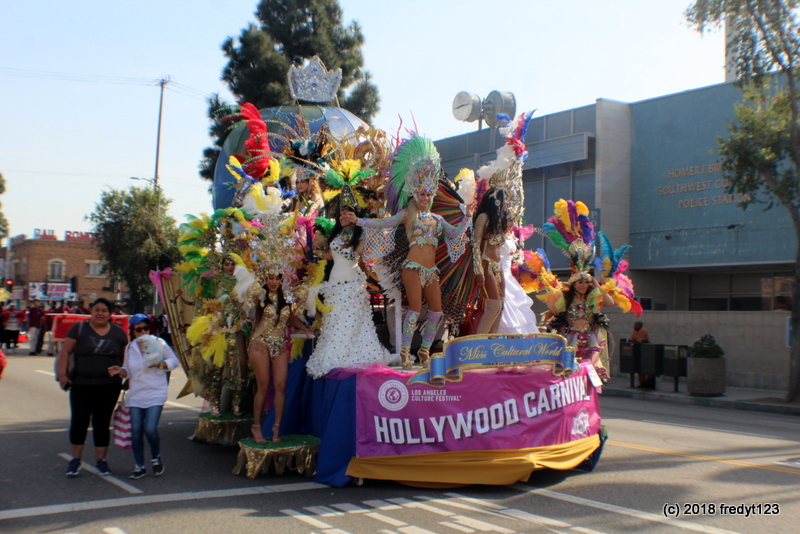
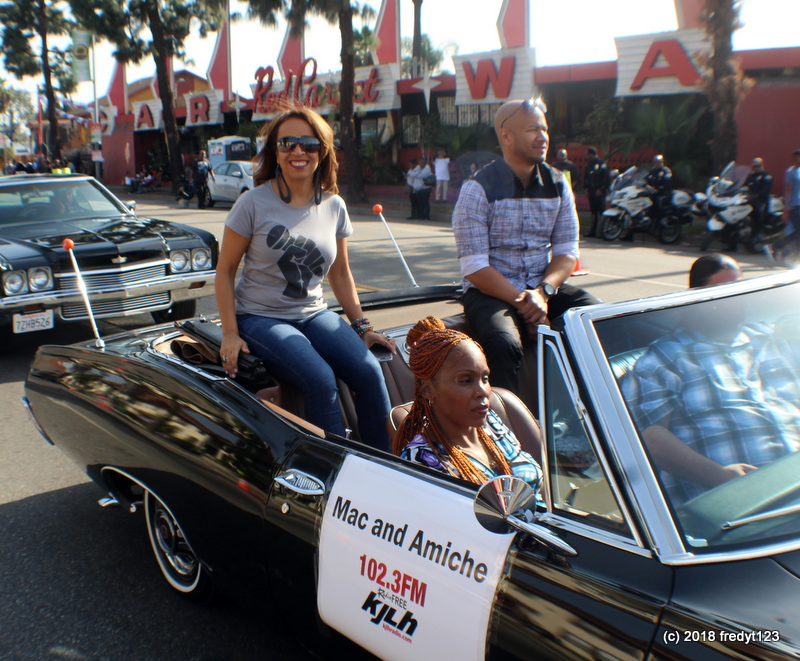
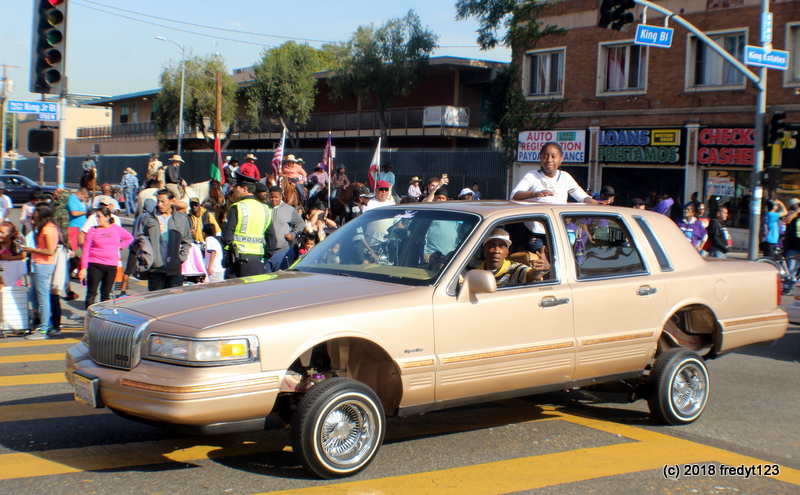
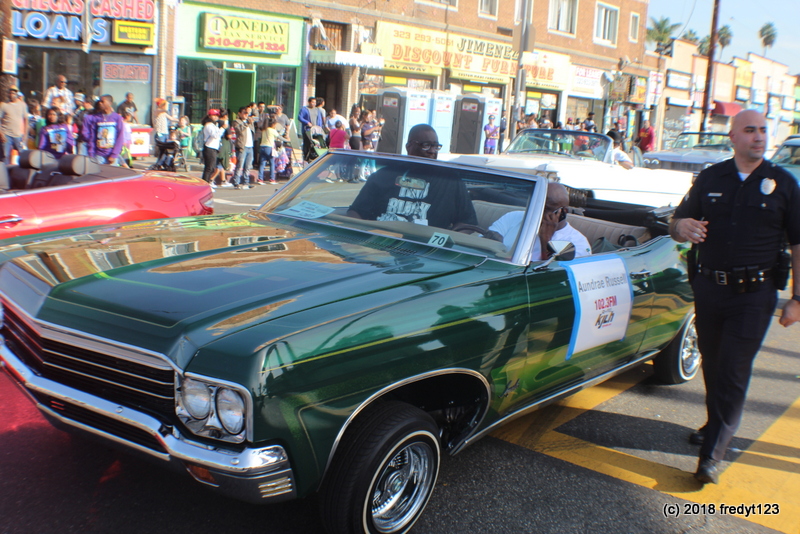
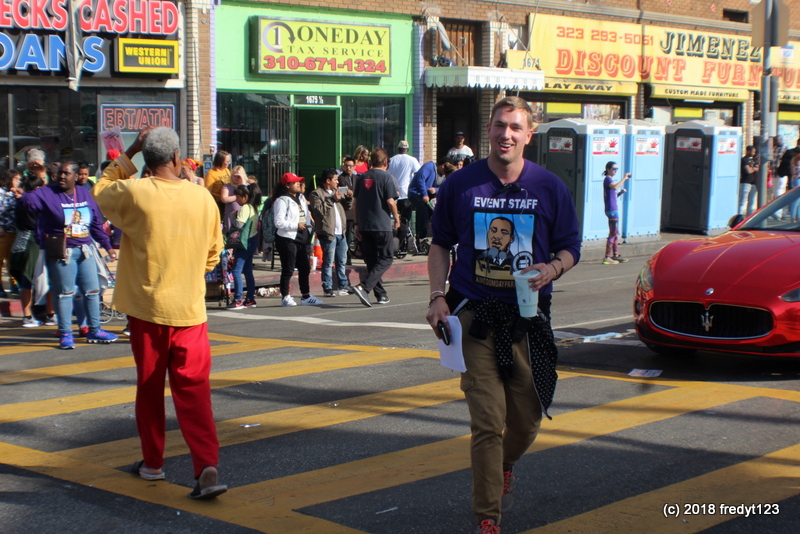
Organizers of the Kingdom Day Parade delivered another great event which was well received by the community. In addition to the hundreds of thousands who lined MLK boulevard to see the event live, over 3 million watched on local channel 7 affiliate, KABC-TV.
Thanks to my brother Reginald and my sister-in-law, Shannon I was treated to attending the Pete Souza book signing and received an autographed copy of this masterpiece.
In just a few days the nation will be honoring the birthday of Rev., Dr. Martin Luther King, Jr. On Monday, January 15th in what would have been the 89th birthday of Dr. King, Los Angeles will once again be a leading city as it showcases its 33rd Kingdom Parade. Actually, starting in 1981 in San Diego, the parade was morphed into the Kingdom Day Parade in 1985. In addition to the hundreds of thousands who will be lining MLK Blvd., nearly 3 million are expected to watch the parade as KABC-TV will once again broadcast the parade live starting at 11:00am.
2018 is a special year when Dr. King’s name is mentioned, as it marks the 50th commemoration of his assassination and many are planning to be in Memphis on April 4th to pay their respect.
(c) fredyt123 photo – all rights reserved
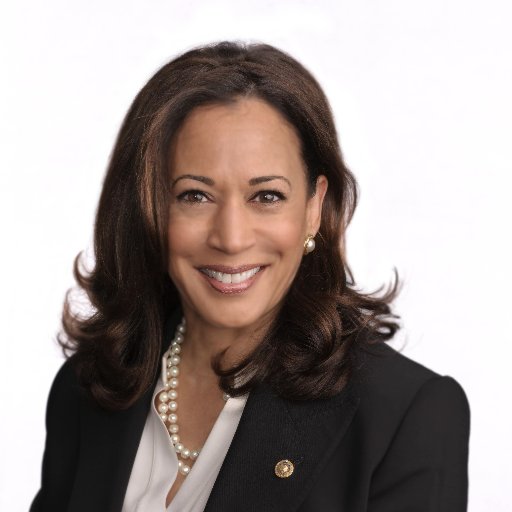
To recognize the significance of the Kingdom Day Parade, Senator Kamala Harris will be the Grand Marshall. Her selection has been met with enthusiasm as many view her as a dynamic politic figure worthy of honoring Dr. King.
United States Senator Kamala Harris – 2018 Kingdom Day Parade Grand Marshall
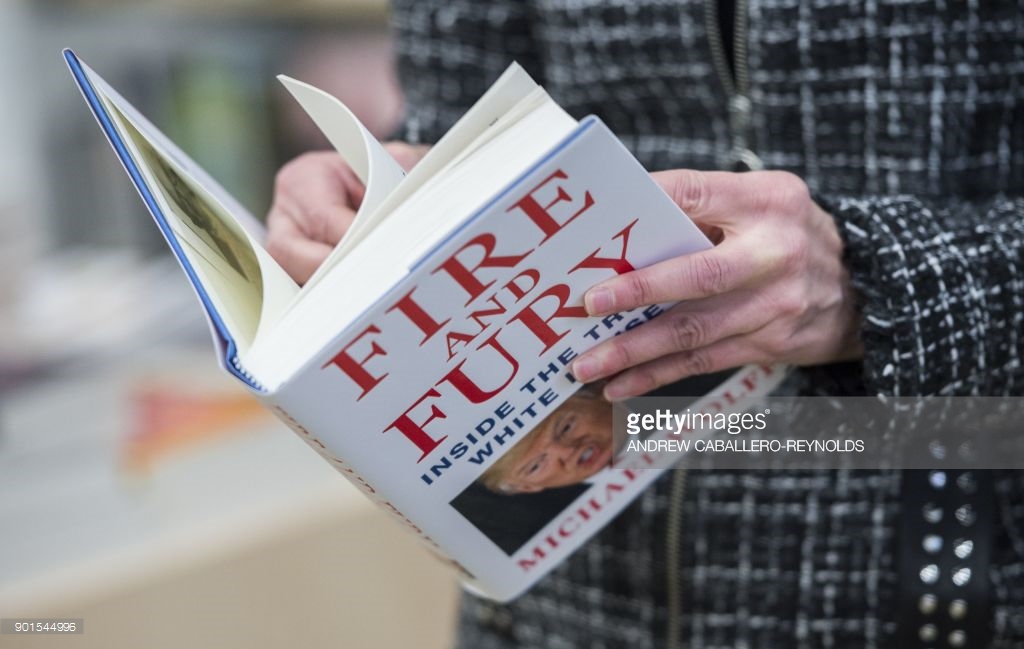
The Trump administration woke up this morning knowing many eyes and ears would be focused on Michael Wolff’s scathing new book “Fire and Fury.” In the past several days regardless of how they have attempted to dismiss it as full of crap, fake news or otherwise unreliable, their strategy has backfired as even with the bitter cold in the east coast, the public is snatching up the book in record numbers.
Customer at book store in D.C. Photo credit ANDREW CABALLERO-REYNOLDS/AFP/Getty Images)
Many supporters of Donald Trump and his administration cry foul that the media refuses to focus on all of the great things they are accomplishing. The problem with that narrative is perhaps more focus would be given on accomplishments and positive news if Trump and his administration didn’t have so many self-inflicted issues which become newsworthy, thus journalist and reporters have an ethical obligation to report that, as well of other issues of the presidency!
The book Fire and Fury is just one example that is blocking great news such as the soaring stock market. The other may be the January jobs report which was released this morning by the Department of Labor, Bureau of Labor Statistics (BLS). Unfortunately, the 148,000 jobs reported in December fell 42,000 short of projections. While the news is not alarming or worthy of concern, it does present an awkward sign for a person such as Trump who likes to boast of his success
The reduction in numbers have been attributed to the decline of jobs in the retail sector.
“A little bit of a disappointment when you only get 2,000 jobs out of the government and get retail at the absolute busiest time of the year losing 20,000 jobs. It just goes to show the true struggle that traditional brick and mortar is having now,” said JJ Kinahan, chief market strategist at TD Ameritrade.
Just today while discussing President Trump, nationally acclaimed journalist David Gregory reported on CNN, “He is his own worst enemy.”
One more critical point and indicative of Donald Trump’s communication style is this afternoon on his way to Camp David but taking time to have an impromptu chat with the media belted out, “the jobs report released this morning is good.” A perflexing comment when you compare January 2016 data while President Obama was in office as the numbers were 151,000 but better than the 148,000!
“Never apologize, never back down, never admit you were wrong, use every means possible toward achieving your ends,” Donald Trump as private citizen
Postscript – since my initial post I have really gained lots of experience in using the machine. Additionally readers on our YouTube site have offered edits, so for the most updated commentary I would encourage you to read the comments on the YouTube page. Thanks.
Most of you know I am fortunate to have been selected by one of the nation’s top merchandiser’s to review consumer products. I try to make my reviews simple, easy to understand and not so lengthy they bore the reader.
Here is the Nespresso Coffee Machine by Breville.
This machine is fantastic and transforms even the motley coffee enthusiast such as myself into a professional barista.
The price ranges from $200-$250 but after you so some simple math you will see the benefit as for some you will see an immediate saving over what you are paying for your brew.
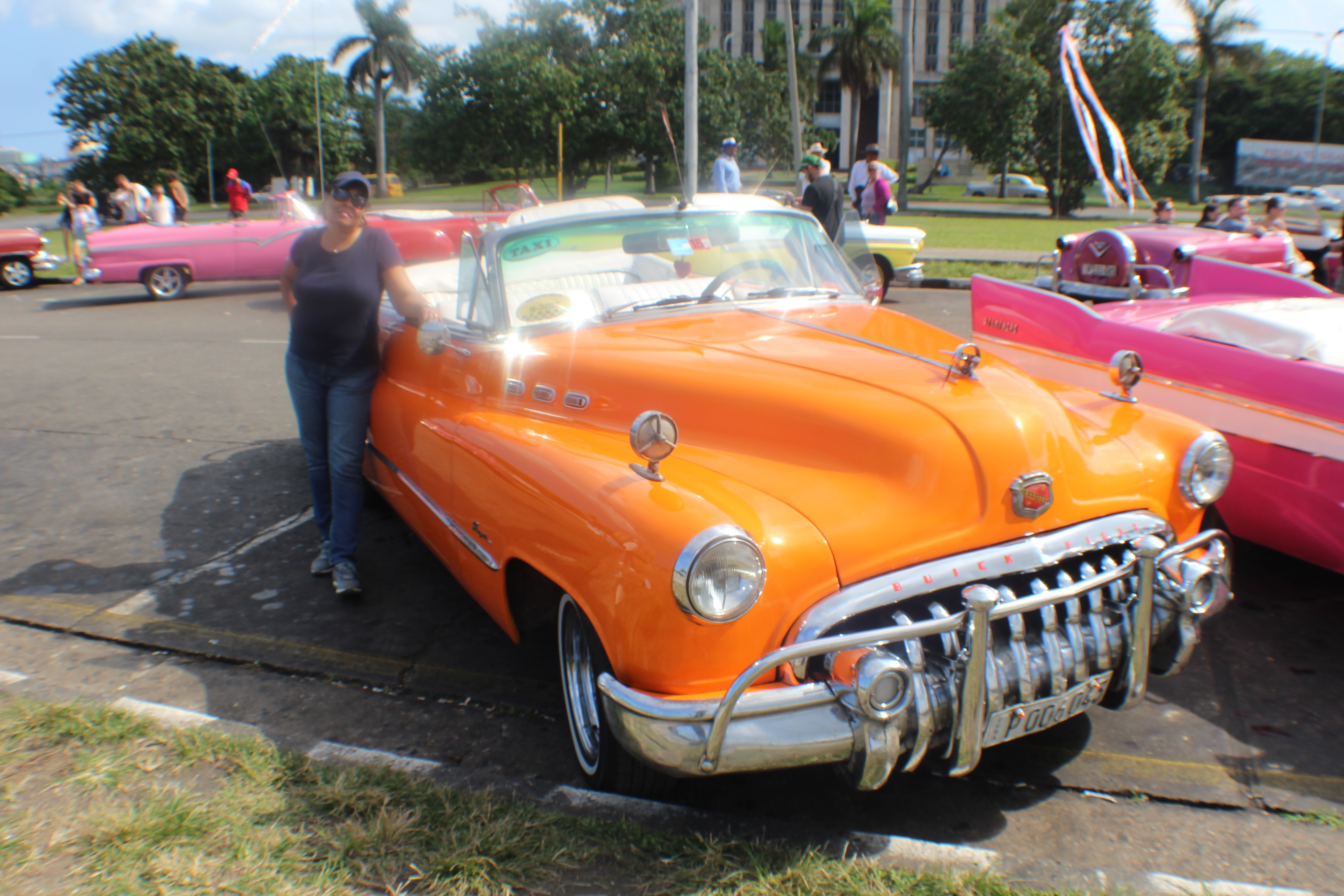
When the word CUBA comes up, of all the cultural attributes which define the country three stand out and are popular throughout the world: Cigars, Rum & American Cars.
Excerpt from United States Department of Treasury regarding updated guidelines. The bottom-line is regarding Cigars and Rum/Alcohol you can bring back as much as you want!! As was the case with us, “as much as you want” is tricky because you run into overweight luggage issues and the practical reality of exactly how much you can tote without smashing or breaking the products?
“Can I purchase Cuban-origin cigars and/or Cuban-origin rum or other alcohol while traveling in Cuba? Persons authorized to travel to Cuba may purchase alcohol and tobacco products while in Cuba for personal consumption. Authorized travelers may also return to the United States with alcohol and/or tobacco products acquired in Cuba as accompanied baggage for personal use. OFAC considers “personal use” of an imported item to include giving the item to another individual as a personal gift, but not the transfer of the item to another person for payment or other consideration,” U.S. DEPARTMENT OF THE TREASURY OFFICE OF FOREIGN ASSETS CONTROL
Cuban Cigars
Cuban Cigars are institutionalized which mean they are controlled by the government. The Vinales valley located in the Pinar Del Rio region of Cuba is about 2 hours southwest of Havana. It is known as the top tabac region in the world as it is an incredible sight to see how the plant is transformed resulting in a product which is coveted around the globe.
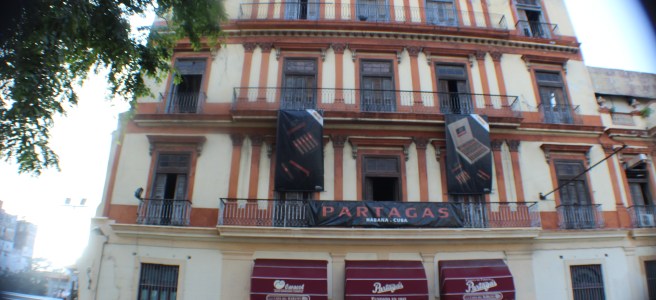
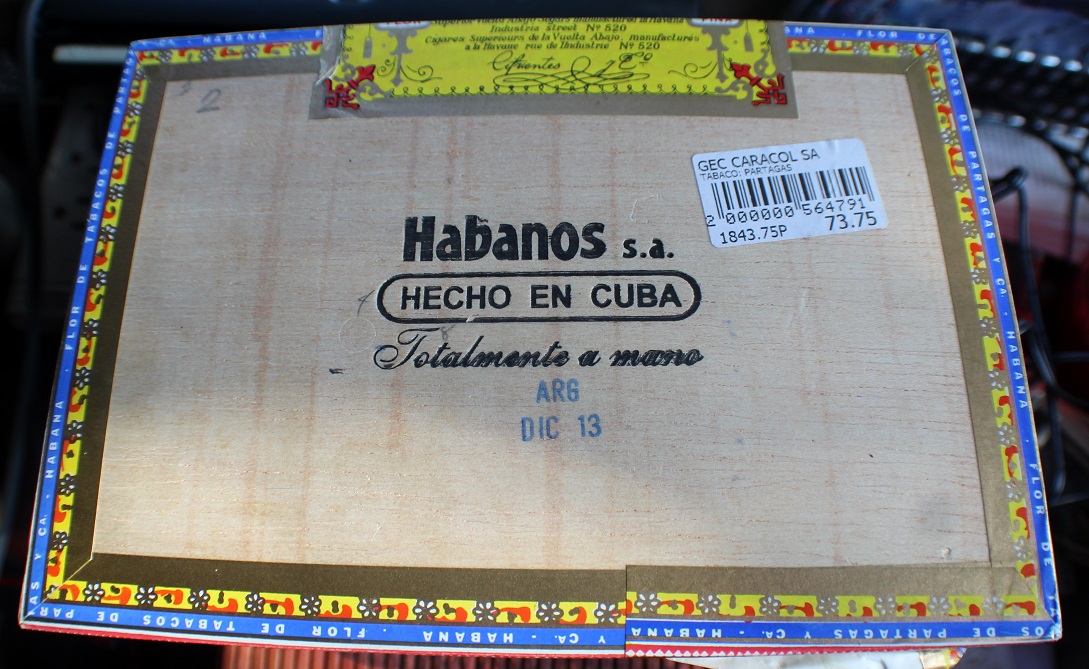
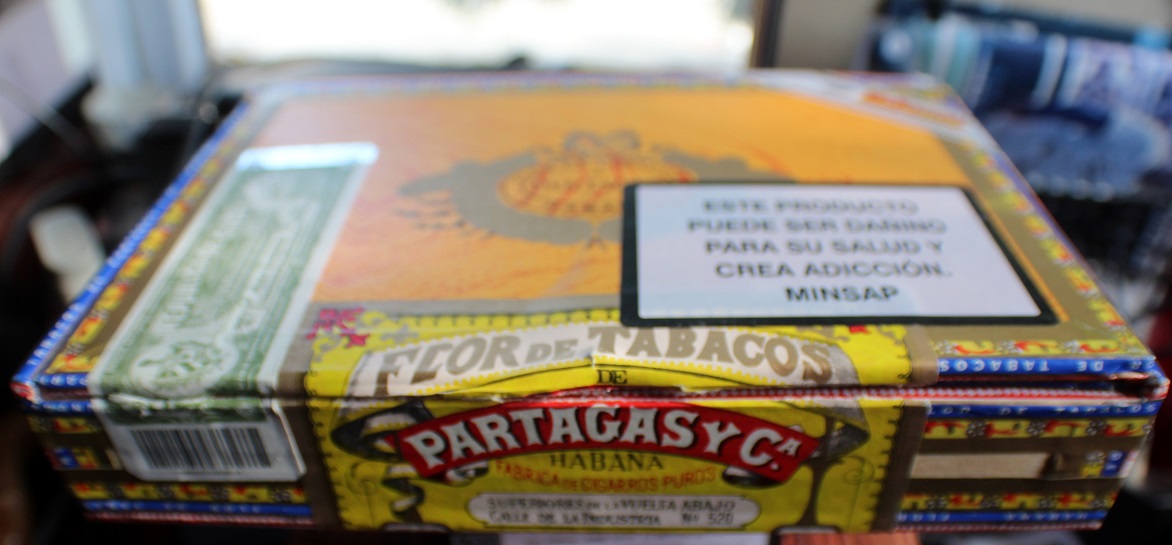
Production operations are scattered throughout the country. However, in Havana there are several facilities which are historic and have been around for centuries. One facility we visited was the Partagas Tabac Factory. Interestingly it is located across the street of the country Capitol. Prices vary based on the grade or quality of the cigar but whatever you pay at the retail store, is far less than what you might expect on the fair market, assuming it is available. As an example the one box of cigars which was defined as “medium grade” cost a tad under $75. So that is a little less than $3 per stogie. The same box sold in the open market would yield $130, $150 or even $175 and more. Therein, you can see the advantage as well as bargain of going directly to the source.
Box sold in Cuba 73.75 CUC’s ($73.75)These are mid-range quality….not to top of the line and certainly not on the bottomThe government seal must be on each box and unopened
Another note about Cuban cigars is the abundance or available throughout the country. I understand the mystique about buying a quality cigar at a low price but I am stunned how tourist or those visiting the country still find themselves duped into buying counterfeit smokes. So, the buyer must be aware. My recommendation is unless you buy them directly from the grower or from a government establishment (or otherwise reputable seller), you are risking to get snakebit.
Cuban Rum
Cuba like most countries in the Caribbean are known for their rum production. In Cuba, rum appears to be cheaper than water!! Being the largest island in the region helps you understand how rum is also institutionalized. Haiti was known as the top producer of sugar cane. That is until the Haitian revolution of 1781 when the slaves revolted. It was that moment which sugar cane plantation owners relocated their operations to Cuba. There are many rums in Cuba. The national brand is known as Havana Club.
The price is consistent throughout the country. You can walk into any store and a pint of basic run will set you back only $2.90. A fifth or about a liter sets you back around $4.50. Of course the super premium blends will cost you $8, $10 or even $15 for a liter. That is a “steal” when you consider in those countries where it may be available you will be paying $35, $45 and more for the same product.
American Cars
American cars produced in 1959 and younger have special recognition and are treasured. In Cuba they are icons and help ferry tourists throughout the country.
Some who were in attendance at the 2011 Correspondent’s Ball have suggested it was that event which convinced Donald Trump revenge was the only remedy to the humiliation Present Obama dumped on him. On that chilly night in April Obama’s team of writers had him buzzing better than the late Richard Pryor or even the late Redd Foxx as he had the entire room in laughter while chastising Trump over his ill-advised birther crusade.
As Trump was forced to sit in his chair all the while seething, you could see his mind was plotting the next move. During the 2016 presidential campaign he swore to his supporters that if elected he would take on an aggressive strategy of attempting to rescind any order approved by Barack Obama. Interestingly, even as his supporters wildly cheered his proclamations, they were not aware or didn’t pay attention that some of those orders actually benefitted them!
Nevertheless, Trump was determined and hell-bent on getting even. Fast forward to the holiday season of 2017 and we see first hand how Trump is obsessed with getting even with Obama, as he can’t find enough orders to rescind while suggesting they ALL were terrible.
The latest charade is the Net Neutrality issue. It doesn’t matter that in 2015 the Federal Communications Committee approved a guideline committing to equal access to the internet. With a majority in hand the Committee led by Ajit Pai felt obliged to help Trump in his quest to remove yet another Obama order. In the guise of increasing competition or the notion that any regulation is bad for consumers, on Thursday, December 14th the Committee voted along party lines to remove net neutrality guidelines.
The beneficiaries are the large communications companies such as A.T.& T, Verizon, Sprint and others known as internet service providers (ISP’s). The result of the vote means they now can manipulate internet speed which will affect traffic and in many cases, send a signal to consumers to be prepared for a price hike.
As simple as Net Neutrality is, it just sounds complicated. No doubt there is always room for improvement and yes, those consumers who use more than others should be expected to pay more. Surely, you can’t blame the ISP’s for having the desire to charge you for services which you use. The rub is consumers already have the option of improving internet speed by the tiered pricing structures ISP’s have.
At the same time the entire focus of net neutrality was to make the internet accessible for all, not to use it as a commodity to penalize those who simply lack the resources to obtain. Internet pricing has moved just like cable television. What seemed like a bargain at $29 per month has morphed to over $100, $200 and more. Companies offer a variety of rebuttals to justify the price increases, so as long as your budget allows you to pay, you simply keep moving. The ire for those protesting the commission’s vote is the core question; what happens to those who are priced out?
While the commission did indeed vote to rescind Obama’s 2015 guideline, it appears the last word on this issue has not been spoken. Just after the vote, public outcry reached a fever pitch as people from across the nation, even those who claim support for Trump have started their plea for Congress to overturn the commission’s ruling.
Protestors claim the fight has just begun
For those such as Trump, the issue does not appear to be what is in the best interest of the public as evidenced by public opinion. The issue for them is to use elements of our government as tools for revenge.
[Washington, D.C.] In its last meeting for 2017 the Federal Reserve’s Federal Open Market Committee (FOMC`) agreed to raise the discount rate from 1.250% to 1.500%. The move was expected and based on the health of the economy and the unemployment rate falling, if not holding steady, the Fed’s felt the move will benefit the economy in the long run. It was also mentioned the move is designed to thwart inflation and keep it no higher than two percent.
“The stance of monetary policy remains accommodative, thereby supporting strong labor market conditions and a sustained return to 2 percent inflation.” FOMC
Two dissenting votes
On the nine FOMC voting members, surprisingly there were two who voted against the increase due to concerns of maintaining the existing target.
.
Voting for: Janet L. Yellen, Chair; William C. Dudley, Vice Chairman; Lael Brainard; Patrick Harker; Robert S. Kaplan; Jerome H. Powell; and Randal K. Quarles.
Voting against the action were Charles L. Evans and Neel Kashkari.
We are flooded with so much information, most of it we push it aside and keep moving. Then, there is a little we keep and ponder what it means.
The exact date escapes me but it seems about ten years ago that I heard the issue of race in Cuba explained in a way I had never heard nor appreciated. I was listening to an interview with Professor Dwayne Wickham. He taught at Morgan State University as well as being a columnist with U.S. Today. Interestingly he was speaking about his many visits to Cuba and the notion of remittances. His conclusion was yes, Cuba has a problem with race and among other things it could be seen through remittances, among other social dynamics!
Afro-Cubans
Cuba became a colony of Spain in 1492. The natural resources the Spaniards found required a large labor pool to extract and develop. Thus, thirteen years later or in 1512 African slaves were imported to the country.
“At the peak of the slave-based economy, enslaved people comprised nearly one-third of the Cuban population.”
Fast forward to the Haitian revolt as once it occurred, owners of sugar plantations moved their operations to Cuba, specifically on the eastern shores to Santiago. The result was Cuba became the largest producer of sugar and those slaves needed for labor became important as communities of Afro-Cuba folk developed and once slavery was abolished they took a foothold in the population and the rest is history.
Even today Cuba is known for its vast sugar and tobacco plantations.
Remittances
The little I knew about CUBA didn’t focus on race or more specifically those of Spanish descent and those of African descent. Perhaps like you I just viewed Cubans from a singular perspective, not one from obvious racial characteristics? The discussion on remittances brought the issue into more focus as while the majority of Cubans proclaim unity or oneness, those relatives who were forced off the island or otherwise left after the 1959 revolution eventually settled in the United States. As their lives were rebuilt they were better able to transition as Cubans in America. Yes, this came with much struggle, sacrifice and perseverance.
The impact of those survivors resulted in them being better off than those family members or friends who were left behind. Thus, through all of the years and up to today the money and the goods received are called remittances. So, to the issue of race the majority of those who fled to the U.S. were Spanish Cubans or of European descent and the result was the recipients in CUBA became materially “better-off” than their Afro-Cuban fellow countrymen. The people who left are to be applauded for their resilience and ability to “start-over.” The issue of race raises it head as in Cuba everybody could use a little help but once the first batch of Cubans arrived after the Revolution, the United States changed its policy and those of darker hue or of Afro descent were discouraged or otherwise told they would not be welcomed, thus many simply stayed in CUBA and continued their lives. Could it have been they were deemed supporters of Fidel and his regime? The subtlety is race played a pivotal role in determining who was on the receiving in, and who was not.
Discussing race, not an easy discussion
Discussing race as a topic is not easy. It’s very polarizing and people simply shun away as some feel the discussion centers of who is the “good” and who is the “bad.” Or, they simply don’t want to be reminded of historical facts so for them it’s easy not to discuss.
Race has long been a paradigm to distinguish people of different ethnic groups. While people are people race illustrates the great divide. In the United States the work of noted social scientist, Dr. Francis Crest-Welsing is a leading authority. For those serious about obtaining an objective analysis of the topic her book, “The Isis Papers” is a great reference and must read.
While race is used to distinguish people, it’s engine is racism. Therefore, as a construct, the lighter one’s hue the better the opportunity or privilege. Likewise, the darker one’s hue, opportunity lessens as well as their privilege.
Aside from those initial Cubans who settled in Miami, it’s not until you are inside Cuba that you fully appreciate the race dynamic. You quickly come to accept of the 11 million plus people, there are many more than the 13% who are defined as Afro-Cubans? The effects of racism slap you in the face as for many it is much easier to dismiss any signs of African heritage and proclaim you are “white” or “other” than for who you truly are.
“Make no mistake, Afro-Cuban also fled. But they typically were workers of the Spanish Cubans.” Professor Esteban Morales Dominguez
In 2015 I discovered “Race in Cuba, Essays on the Revolution and Racial Inequality” written by Esteban Morales Dominguez. The book is very intriguing and places the race issue front and center. You come to quickly understand Morales Dominguez is not an apologist for the Castro regime or trying to sugarcoat the obvious. Instead the book highlights facts supported by documentation that help to better understand how and why race in Cuba is a hot topic.
The Castro critics
Having a solid grounding of contemporary history on Cuba might help you establish a better perspective. No doubt, Fidel Castro and the current administration has many critics. At the same time, it must be noted the extreme racism Afro-Cubans suffered up to the regimes of the Revolution. The racism being meted out in Cuba was similar to that of the rest of the world, particularly where there was European dominance. The revolution singled out those who supported or benefited from the likes of Fulgencio Bautista and his predecessors. The ideals Castro adopted centered on making CUBA equal for all. Thus, the notion of educational equality, employment equality, and social equality was a centerpiece of why the Revolution was necessary. As you might imagine, these measures motivated most Afro-Cubans to side with Fidel and support the cause. Once the revolution occurred people saw immediate results as Afro-Cubans were given equality and some elevated into the power structure.
At the same time, those who were on the opposite end of the Revolution never stopped their vitriol. While many left the country, or were imprisoned or otherwise dealt the blow of not supporting the regime, they never stopped their criticism or counter-revolutionary tactics to take back control. As a matter of fact, their antics are very similar to those Americans who even today continue to want to fight the Confederate War.
In his book Professor Morales Dominguez makes clear the issue of equality is a process and the remnants of racism and its stubborn effects are not wiped out just like that. Therefore, the fact that some lives are better off today than before the revolution is a positive reality, but leads to criticism of those who never fully supported the Castro regime or those who through the years have become disgruntled.
No doubt, race in CUBA remains an issue.
Why write the book?
I asked Dr. Morales Dominguez why he wrote the book? His eyes gleamed as he stressed the pride most Cubans have of their country. “It’s very simple, either you support or appreciate what Fidel is trying to accomplish………or you don’t!”
He went on to explain in 2009 a group of prominent African-Americans presented a document to the Cuban government, denouncing it as a racist regime. “Statement of Conscience” created quite an uproar as the government felt it was anything but racist, despite Afro-Cubans still being dealt the hand of systemic racism. The ideal was even though progress had been made there was still much work to be done. Interesting the letter was signed by the likes of Cornel West, actress Ruby Dee Davis, former congresswoman Carrie Meek and Rev. Jeremiah Wright just to name a few. Afro-Cuban author Enrique Patterson called the declaration “historic.”
It was through this declaration that Professor Morales Dominguez felt compelled to use his educational gift and resources to provide a counter position or one that more related to the majority of Afro-Cubans in Cuba. Thus, a series of essays were created and subsequently became the material for the book, “Race in Cuba.”
As Morales Dominguez told me, yes, we still have many problems in Cuba but ever since the Revolution groups have attempted to use a variety of mechanisms to divide the country, even those such as the signers of the petition who you might feel would be an ally given their likeness of Afro Cubans. His contention was they are entitled to their opinions but never was it intimated that Cuba had been transformed into some oasis. Most like him, accepted and understood progress is not necessarily immediate but more of a process.
Cruz, Rubio, et. At…..20 Million Dollars
Speaking of counter groups, I asked the professor why so many, particularly those in Florida despise their own country? His response was interesting. Ever since Fidel took control and even though the subsequent battles, those who fled assumed with the support and intervention of the United States they would be able regain control of the country. This became a rallying cry for many and that remains their fuel for the hatred of the Castro regime and anyone who supports it. The Professor pointed out that is why so many from the Cuban-American community in Florida opposed the actions of President Barack Obama. Having written extensively on Obama, which includes over twenty-three articles, the Professor voiced appreciation of the common-sense approach he was taking.
He then pointed out the 20-million-dollar fund that politicians with Cuban heritage use to appease various groups and maintain counter-revolution support aimed at thwarting the Castro regime. Professor Morales Dominguez mentioned, “they are like paid employees” who work for the funders of the money and distribute it to various groups in the disguise of democracy but the intent is to denounce the Castro regime.
So, this brings us back to the race issue. Cubans are defined as one. Yes, since the Revolution Afro-Cubans have seen progress but there is still much work to be done. Professor Morales Dominguez is the consummate work horse as even though he no longer teaches, he is in much demand as an authority on the subject. At seventy-six, he beams with pride when recounting why he joined the Revolution. Even his wife, Katia who was a master professor in Economics talks about how serious she took her meetings with Fidel and leaders of the movement to help create a better Cuba. The notion of prior to the Revolution, illiteracy was at epidemic levels. A call went out to those in their teens such as Esteban, Katia and so many who accepted the goal of making Cuba a more literate country. This topic comes up often when I speak here in Los Angeles to the critics of the Castro regime. As much as they may despise Fidel and anyone associated with him or my empathy for the people of CUBA, they can’t explain the success of the educational policy and why the literacy rate in Cuba is higher than the United States?
Professor Esteban Morales debunks the notion that only 13% of Cuban are of Afro heritage. He blames the flawed data of the census questionnaire or the type of questions asked for the conflict. His hope is the next census is clearer so there is no ambiguity of what percentage of Cubans are Afro. He stated from his observation the number is clearly thirty-five percent, if not more, as the majority of the country are comprised mestizo or mixed blood and there is little if any defined as “white”
This is a recent photo book on Fidel which the Professor gave me from his personal library.































 Thomas Reports