Today marks the 77th anniversary when Jackie Robinson broke the color barrier in Major League Baseball by signing with the Brooklyn Dodgers. Previously, like so many African-American ballplayers he was with the Negro Leagues. His team was the famed Kansas City Monarchs. Today’s games will feature all players, including umpires wearing Robinson’s noted number number 42.
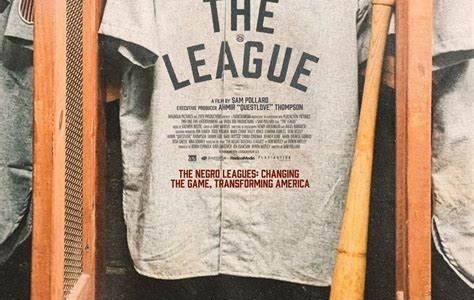
The Leaguewas released yesterday, and it is a must-watch. You don’t have to be a historian, a baseball nerd, a fan of The Negro Leagues or just an uninterested person to appreciate what this documentary presents.
The doc chronicles the life of the Negro League. From its glorious successful rise to its unfortunate demise. The lore is unmistakable as it became a seminal part of American culture.
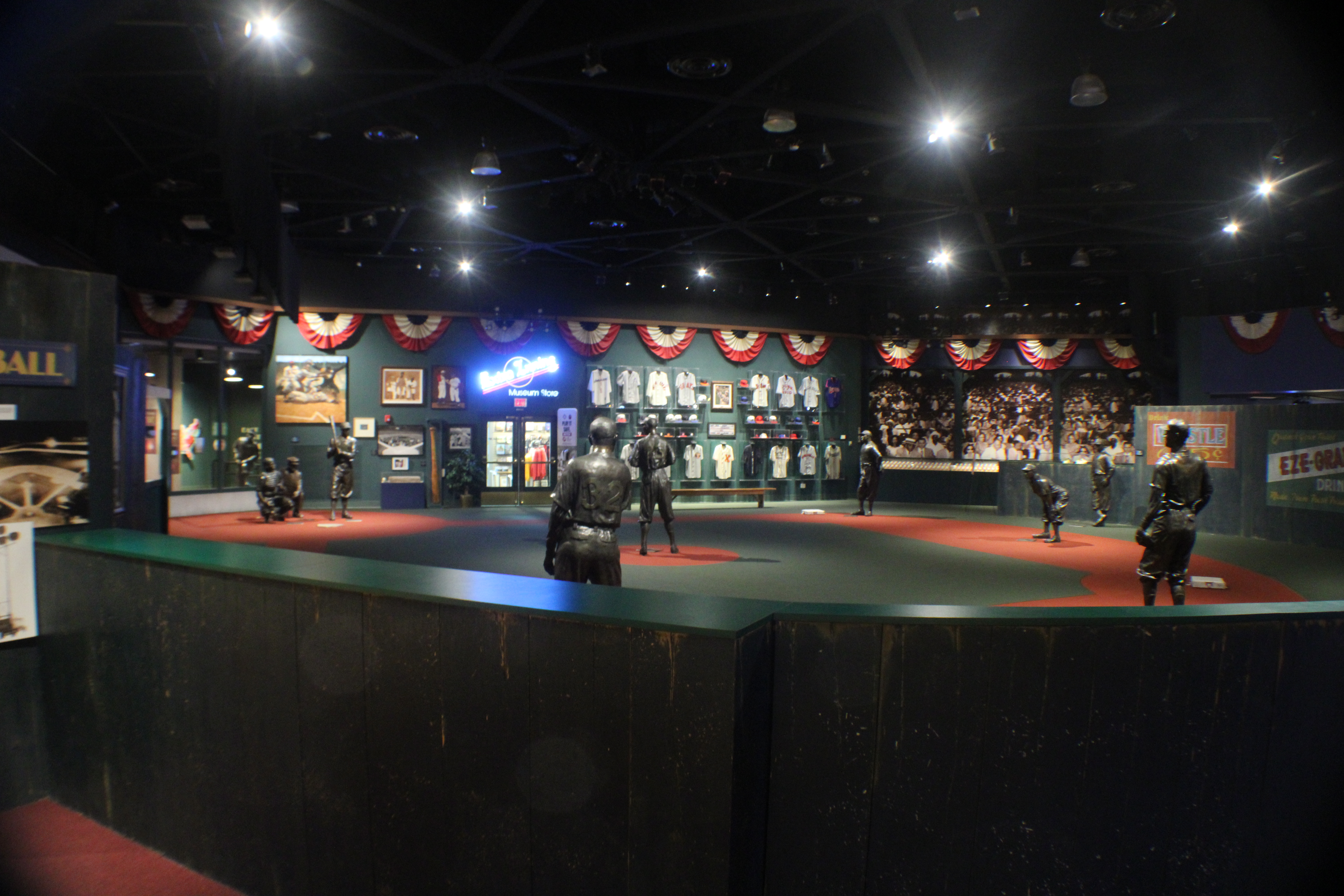
Photo courtesy of the Fred Thomas, III Collection. The playing field as seen in the Negro League Museum – Kansas City, MO
Against all odds the Negro Leagues built an organization that debunked the notion African Americans were less than. It caught the eyes of the most critical naysayers and became the model in how baseball would be transformed. As the Negro Leagues were ascending in popularity the “White” game known as Major League Baseball (MLB) was floundering. The game lacked the energy fans were reading in newspapers about how exciting the Negro Leagues games were performed.
No doubt, Branch Rickey deserves credit for taking the lead and bringing Jackie Robinson into MLB. Indeed, but he was no saint or some social revolutionary! As a matter of fact, MLB had warned him and others who knew the benefits of players from the Negro Leagues to not mess with the Jim Crow standards the country had adopted. It’s a good thing he was a bit hard-headed as for him, it was about making money. As great a feat that moment was, it marked the eventually downfall of the Negro League.
The death knell
Back in those days there was no free-agency and owners literally owned players. In the Negro League there were gentlemen’s agreements regarding player movement and buying contracts. Owners were often outbid as well as other shenanigans that took place, all in the effort to field the best team that would yield financial success. The doc shines as it chronicles a critical part of history that is rarely, if ever spoken.
Former Chicago American Giants player/manager Dave Malarcher asked Newark Eagles co-owner Effa Manely when did integration happen,? “When the major leagues saw those 50,000 Negroes in the ball park at the East-West game, Branch Rickey had something else on his mind other than a little black boy. He had those crowds.”
In 1949 Tom Baird, still bitter about not being compensated for Robinson wrote, “I have been informed that Mr Rickey is a very religious man. If such is true, it appears his religion runs toward the almighty dollar.”
Once the Dodgers signed Jackie Robinson and the floodgates opened for other players in the Negro League, there was an all-out assault for the other MLB teams to join and grab top talent from well-known teams. The problem was, as players were brought into MLB, the teams they left rarely received fair compensation for all of the investment they made to create value in them. As you can imagine, as top talent departed the energy of the league declined. Further the millions of African American fans who flooded the stadiums to support the League turned their financial resources to MLB teams to see how the Black players were performing. The rest is history.
The doc shows the ruth fullness of Branch Rickey and those like him who marginalized the Negro League owners while downplaying their significance, as if the stars were born out of the sky!!!!! They raided the league during the late 40’s to the late 50’s until their eventual death in the early 60’s. Imagine if you had a business and created and developed talent, only to find another party grab your most critical assets while compensating you pennies on the dollars?
WATCH THE DOC!!!!!!
The doc can be seen on Amazon Prime, Apple TV and most popular streaming services.
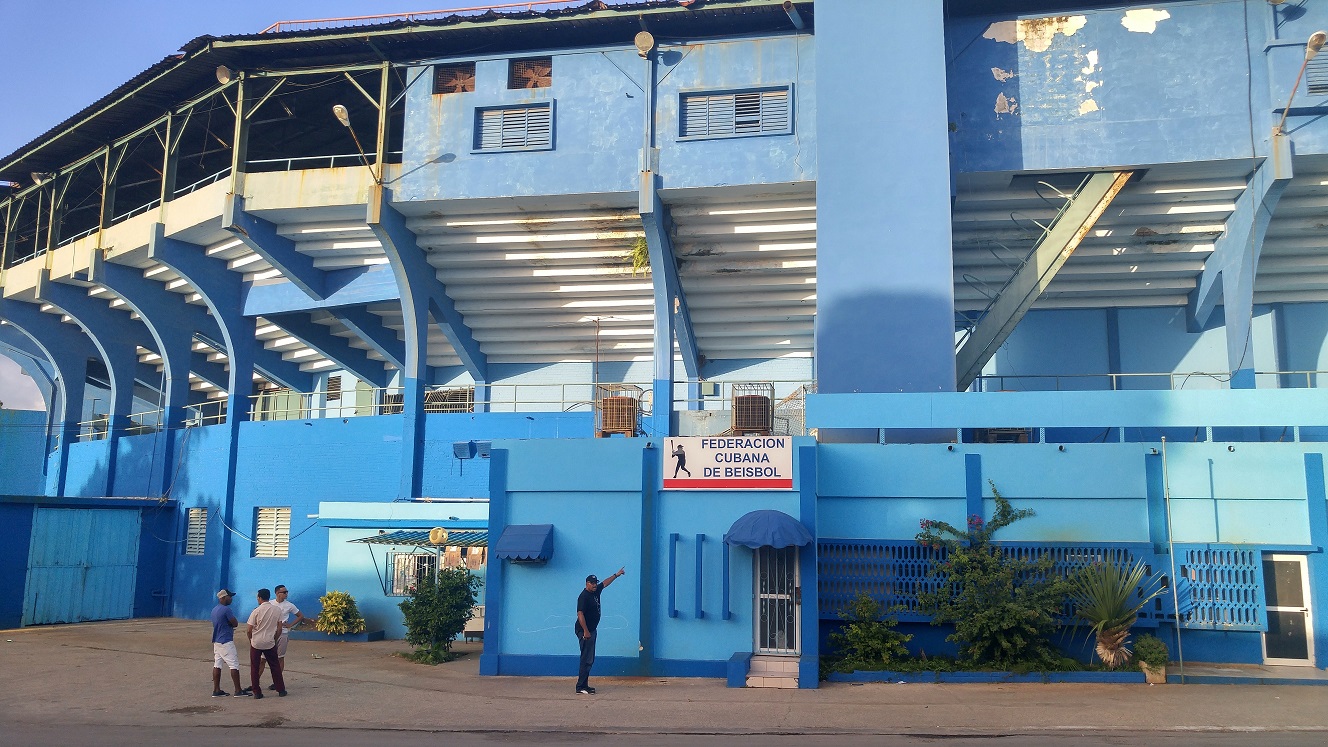
Fred at the Cuba’s famous Estadio Latinoamericano (c) Fred Thomas, III
It has been no secret that Major League Baseball may have finally found the combination to the vault! Inside the vault was the treasure trove of players who hail from the Caribbean’s largest country known as CUBA.
Contrary to some who are just discovering or re-discovering this “forbidden” country, baseball has long been a trademark of the island. Competition dates back to December 27, 1874. Even as the Negro Leagues were building legendary status; due to legalized segregation practiced in the United States players were forbidden to join Major League teams. It was during their heyday they found a welcomed ally and a fan base in Cuba who appreciated their style of play. Those who remember the movie 42 may recall the scene when the Los Angeles Dodgers were trying to transition Jackie Robinson to first base? It actually took place during a time when some of the Dodgers trained in Cuba.
“I have found memories of Cuba. While with the Dodgers I pitched down there about six years. I don’t like the government but I love the game of baseball.” Tommy Lasorda, Los Angeles Dodgers
Once the Cuban revolutionist took place, baseball was banned, although temporarily. The new regime understood the impact sport plays in our society, thus the Cuban national team took on a new dimension. They became a powerhouse and a powerful tool for the country. The fact players were paid a pittance (in capitalist terms) is important, but not as important as the pride players took in being a part of the team.
Defections
During the last 15 years or so there has been an escalation of baseball players from Cuba who had the aspiration to play in the Major Leagues. Those who arrived, although through very dangerous circumstances were welcomed. Some eventually achieved success, but many more did not.
Major League’s interest in Cuban players is somewhat of an unknown topic. However, those familiar with the sport simply know those players who are part of Cuba’s national baseball program are better trained and ready to transition at a quicker rate than other countries. Thus, the floodgates have been cracked open so expect this number to increase, especially with Major League Baseball’s strategy to internationalize the sport.
Current Lineup
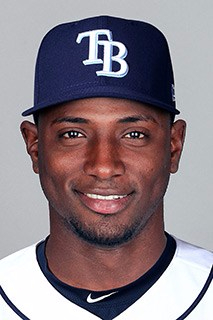
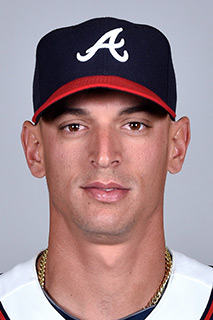
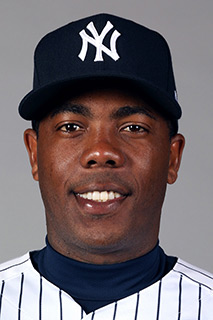
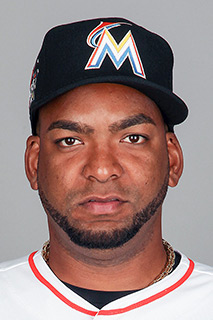
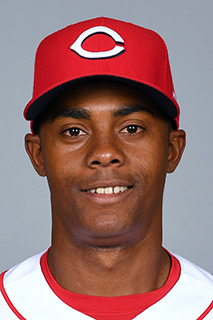
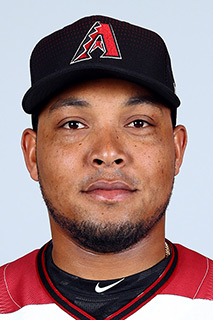
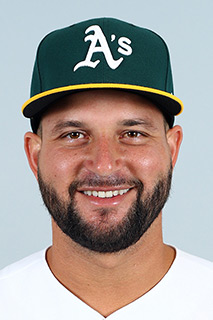
Currently, or as of this writing there are 21 players who are playing in Major League Baseball. While 25 players make up the official roster, teams are allowed to stretch that number to 40 representing its active roster, so for the sake of argument of the 1,200 players, 22 or less than two percent are from Cuba.













 Thomas Reports