a perspective
THE IMAGES ON THIS PAGE MAY NOT BE COPIED OR REPRODUCED WITHOUT PERMISSION
In the early 80’s Judith and I started our quest to become more informed about history and start an active library. We started out from our regular visits to the Aquarian Bookstore which was on Santa Barbara Avenue (now – Martin Luther King, Jr. Blvd.)
In 1988 the California Afro-American Museum (CAAM) presented an exhibit called “Black Angelenos.” It was curated by staff historian, Dr. Lonnie Bunch. One of the features showcased this town called Allensworth. It was an intriguing exhibit. Being a native of Los Angeles, I pondered a question why I had never heard of this town? We put this town on our “to do list” for a visit in the future. A year or two later our church, Hope Community Church planned a trip and picnic. It was a fascinating journey. I don’t recall the exact details but somehow, we heard about this group, Friends of Allensworth, and they had regular monthly meetings at the park. We would later meet George Finley who was the president of the organization.
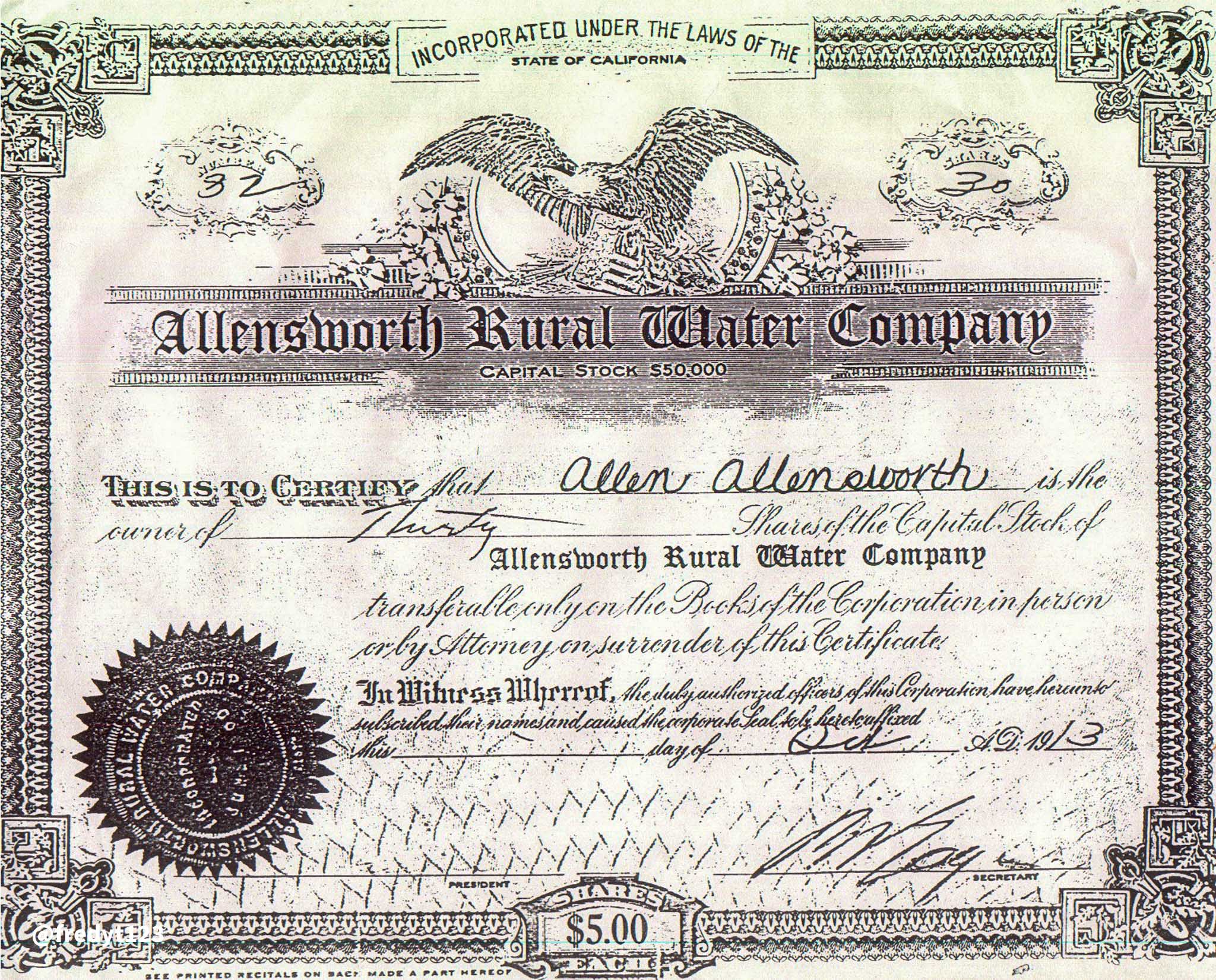
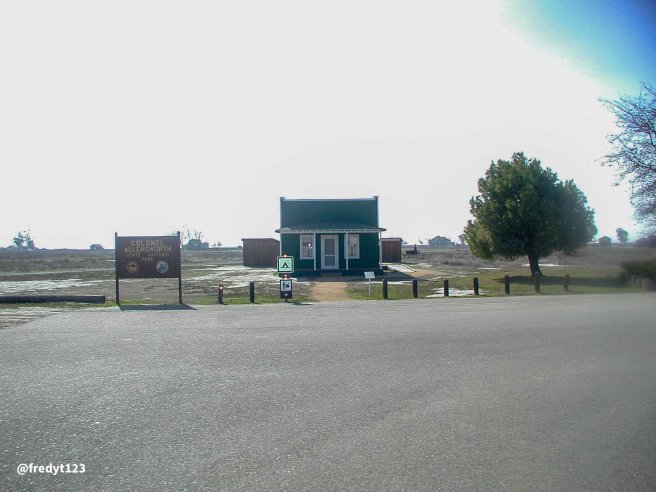
The meetings centered around how the “Friends” could help the park increase visitation. We also learned Allensworth as it was commonly known as, was really a State Historic Park.
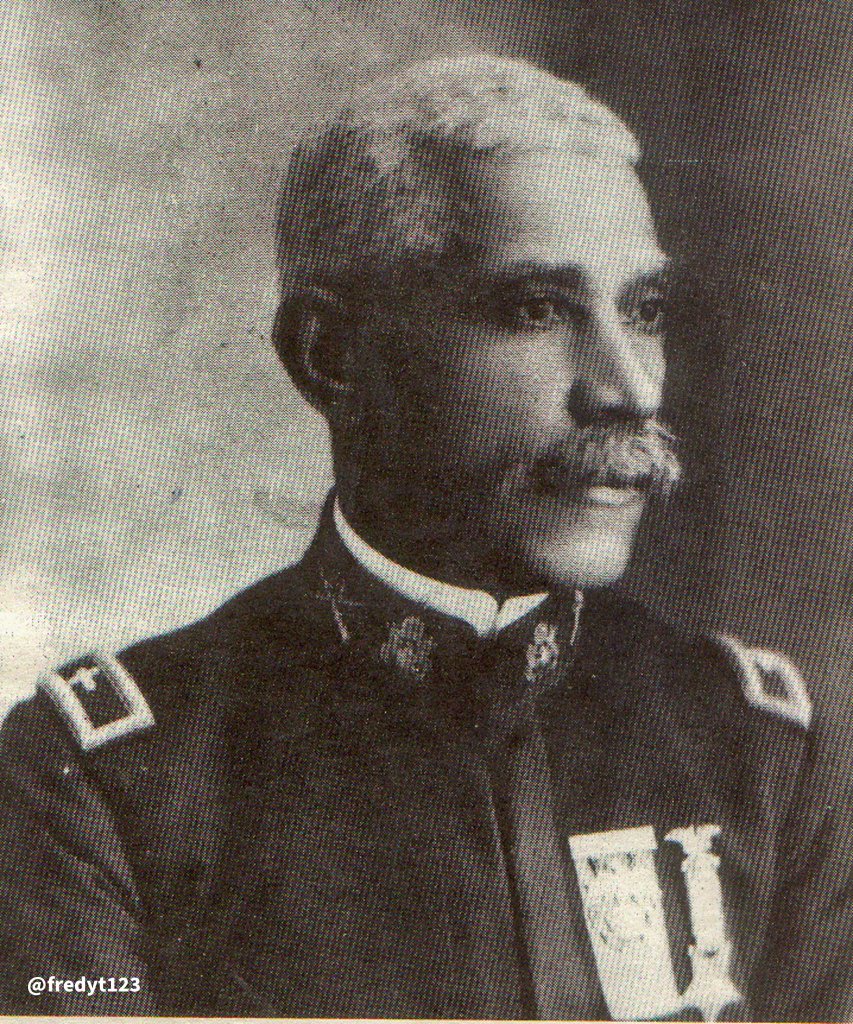
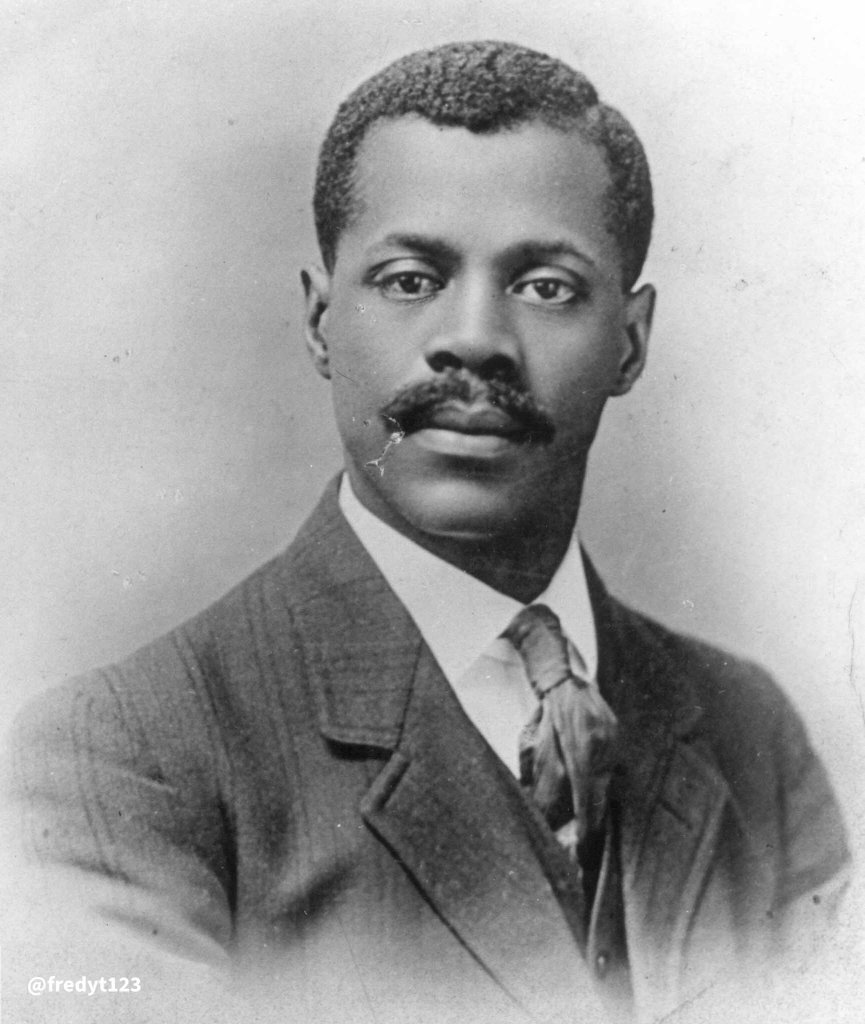
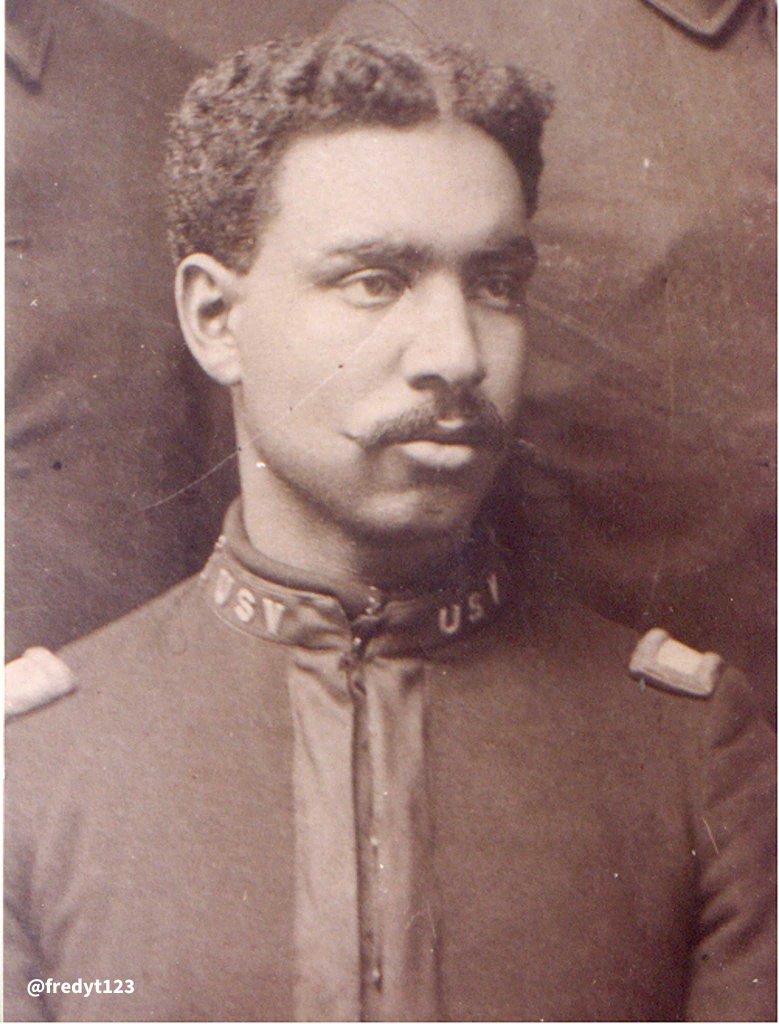
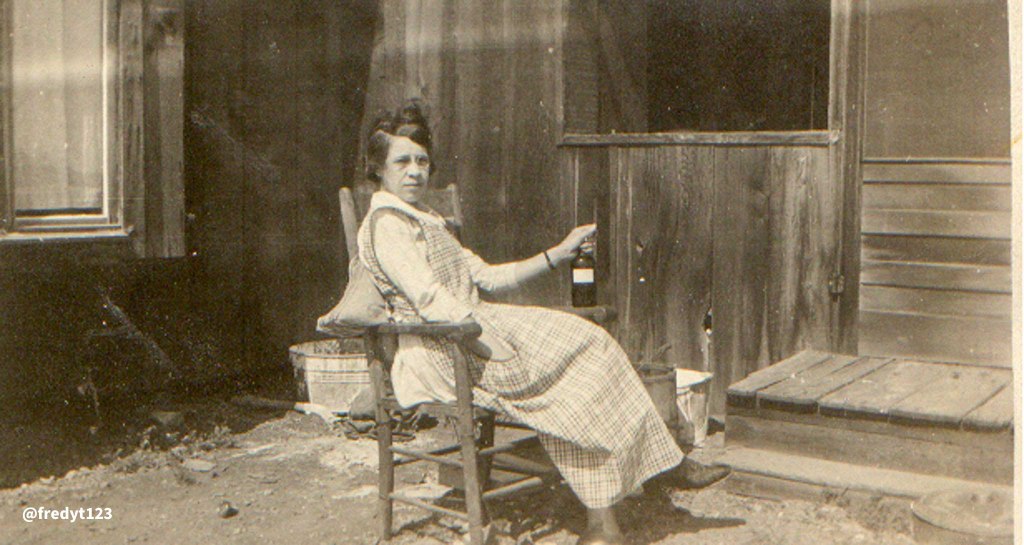
The Recognition
We learned California State Parks was created to showcase the contributions made by people and groups. There were over 200 venues across the state, however there was none highlighting the contributions of African Americans.
Coming out of the civil rights movement of the 60’s, the 70’s brought renewed political awareness. Those from the State government; Assembly and Senate petitioned the Governor to create a venue where African Americans could be recognized. In 1976, The Governor, Ronald Reagan signed into law the creation of Allensworth State Historic Park.
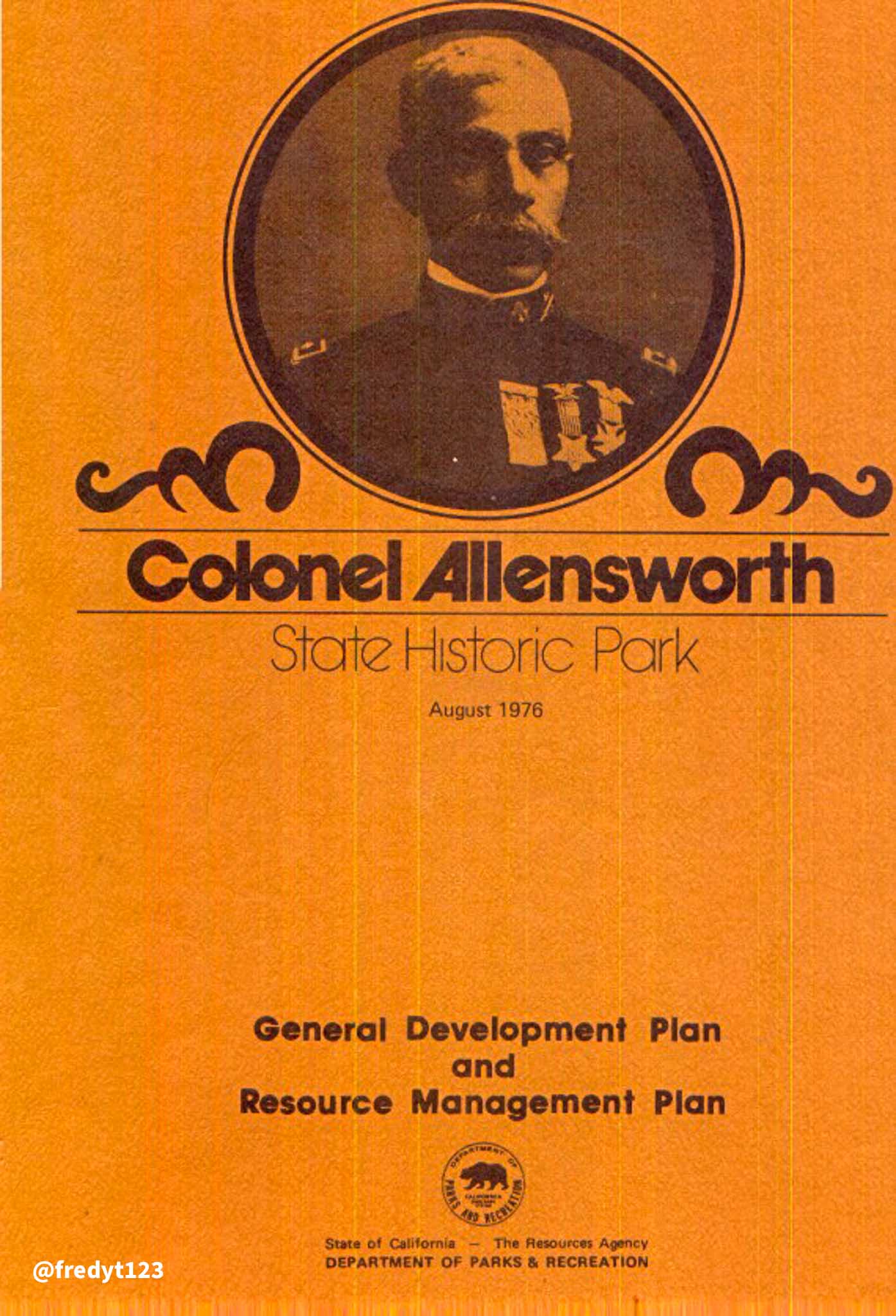
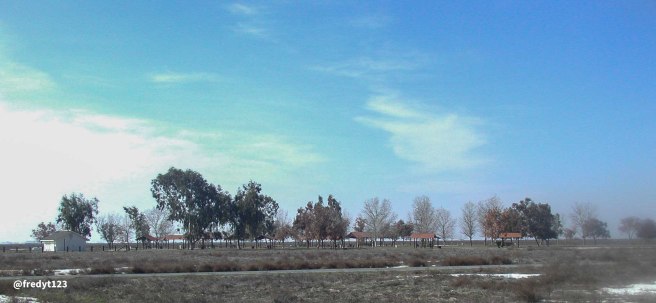
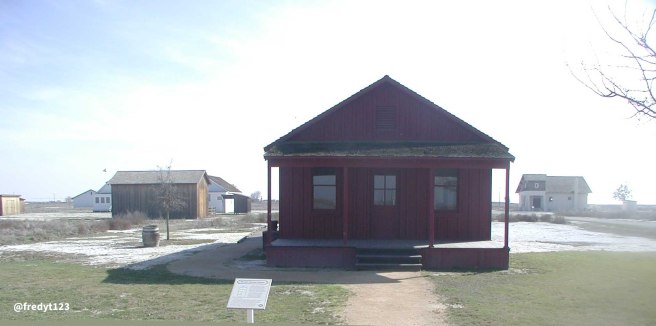
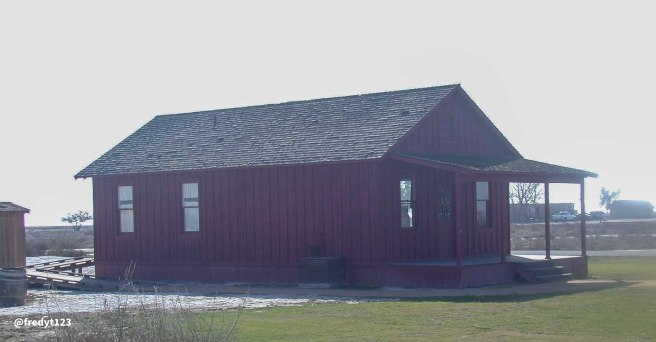
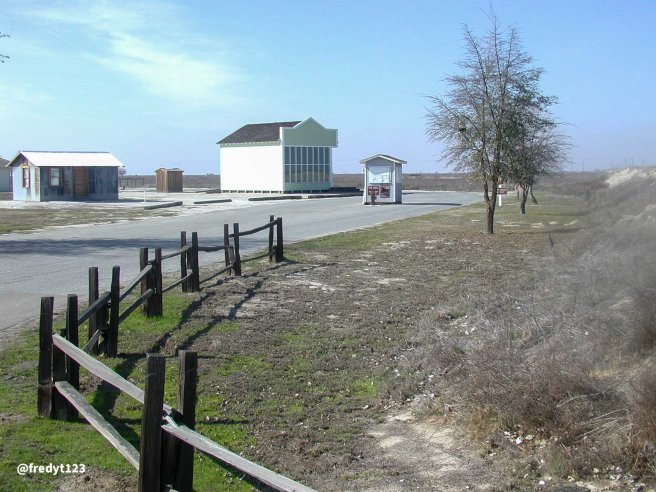
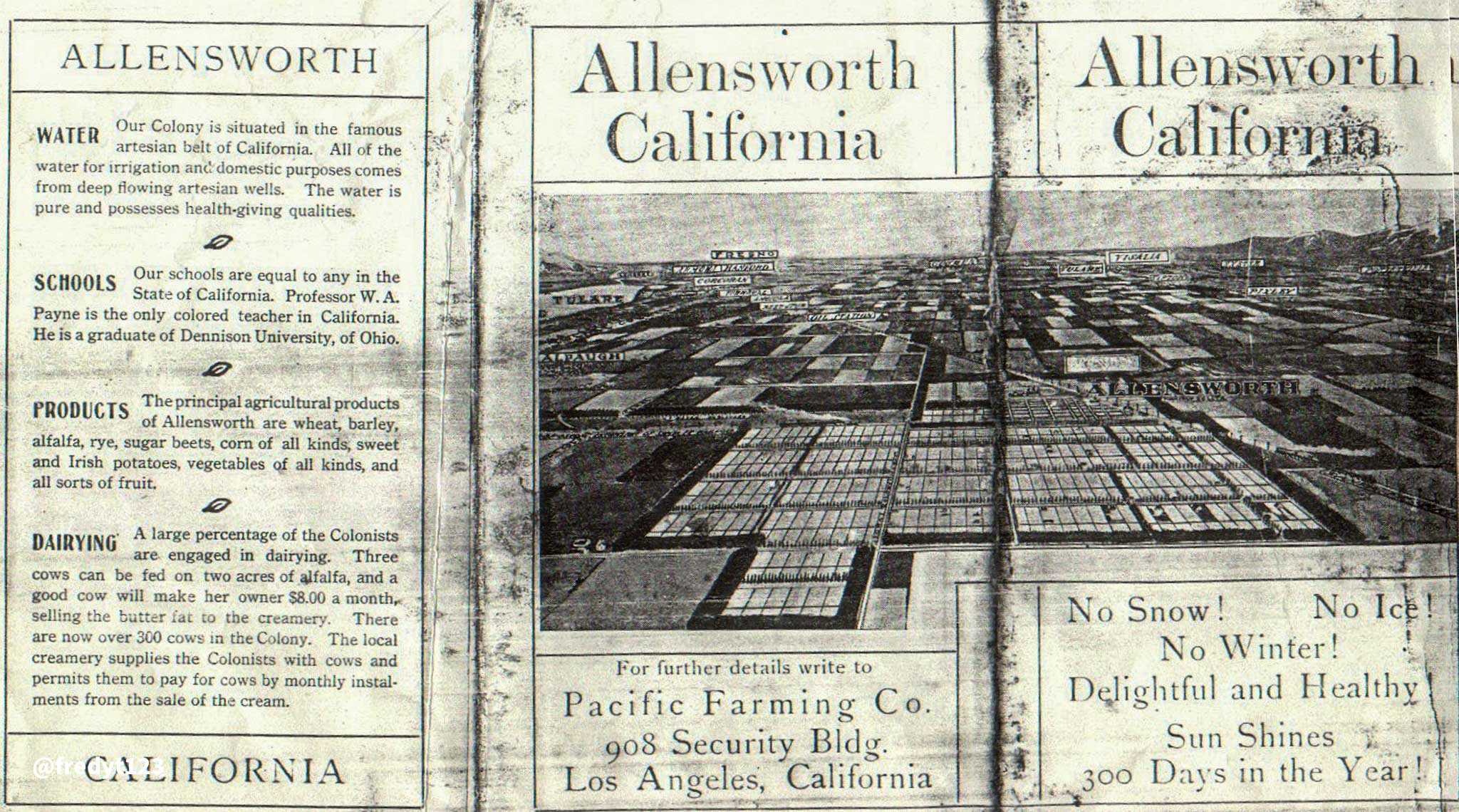
The original town of Allensworth was a township, translating into approximately 20,000 acres. The State decided to interpret the business core of Allensworth and purchased 240 acres to start the project.
The Friends
A key component of the State Park system is the creation of the “Friends.” They are the approved volunteer group designed to help each site in providing tours to the public and other benefits to create awareness and community support.
After our initial visit to Allensworth, we made the trek to see what the Friend’s meetings were about. They meetings were organized and included a few general members and park staff. The discussion was focused on increasing visitation. It was at this meeting we met the firebrand, George Finley. He was the president of the organization and lived in Fresno. We later learned part of his inspiration in being with the Friends was his story of graduating from Tuskegee University and eventually earning a teaching credential but unfortunately due to discrimination could not find a viable teaching post. He heard about Allensworth and knew they had an active school, so he sent a letter seeking employment. To his amazement, he was hired and ever since then his commitment never waned.
The meetings had a business component followed by a family-style meal prepared by Finley and other volunteers.
Visitation
As months went by, we made a commitment to get involved. We had a relatively young family and decided the sacrifice of traveling 2 ½ hours from Los Angeles was worth it.
We learned more about the “Friends.” Due to budget issues with the State, we heard conversations Allensworth, along with some other State Parks might be closing because visitation was lower than expected. Try as they might, the fact was clear as Allensworth is in a very rural part of Central California and some saw it as being “out of the way.”
Through Finley’s leadership and vision, it was discussed the best way to increase visitation was through awareness. Thus, the chapter concept was created. A key tidbit about the Allensworth history is many of the pioneers were from the Los Angeles area. Finley knew of the commitment Judith, and I communicated in helping any way we could. We were asked to launch the Los Angeles chapter. The initial meeting was on a Friday night and held at the Baldwin Hills Crenshaw Plaza in the community room. Finley attended the meeting and brought Ranger Phil Hill with him. Our mission was clear spread the word throughout the community to get people to come to Allensworth.
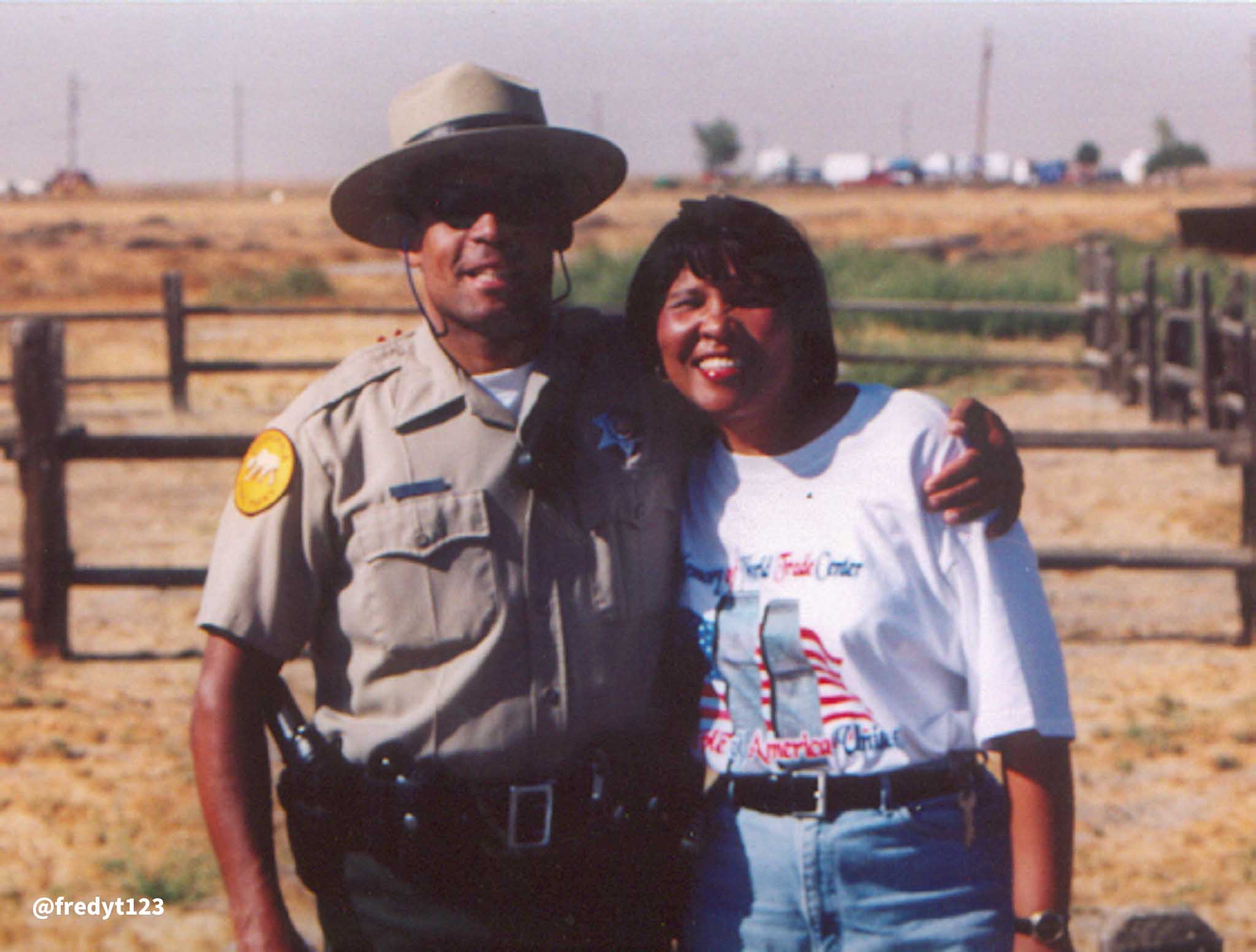
One strategy in creating awareness was trying to locate descendants who might still be living in Los Angeles. I can’t remember all the details, but we discovered Colonel Allensworth’s granddaughter, Mrs. Josephine Smith resided on Monteith Street in View Park. We payed her a visit and discovered she was indeed part of the friends but stopped attending meetings due to various conflicts. She agreed to resume participation and that relationship provided us with credibility to speak to the broader Los Angeles community.
The basics
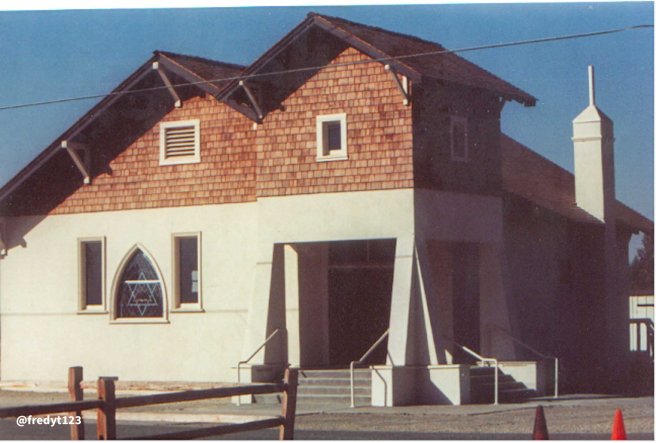
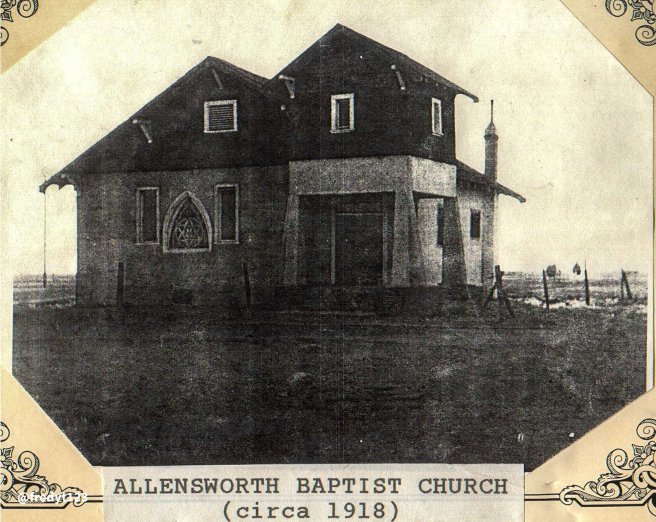
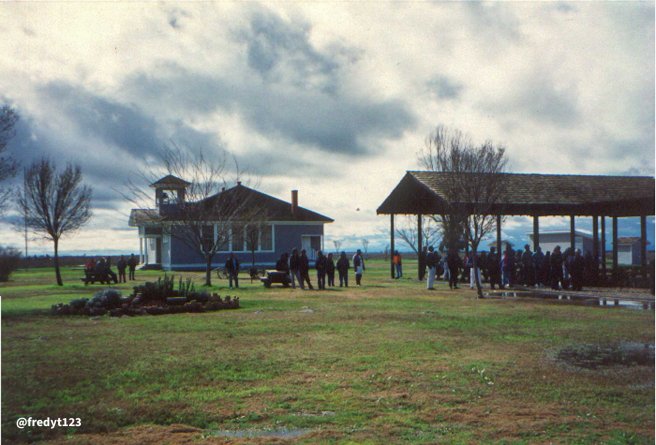
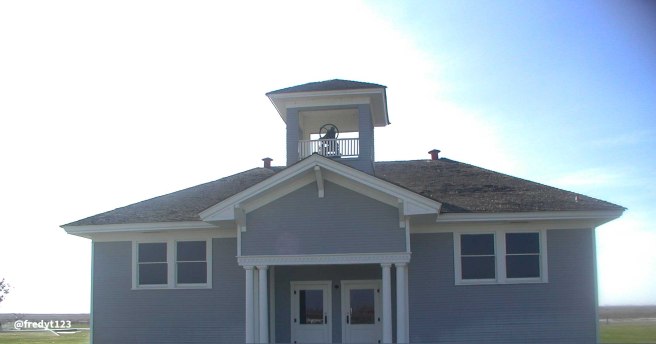
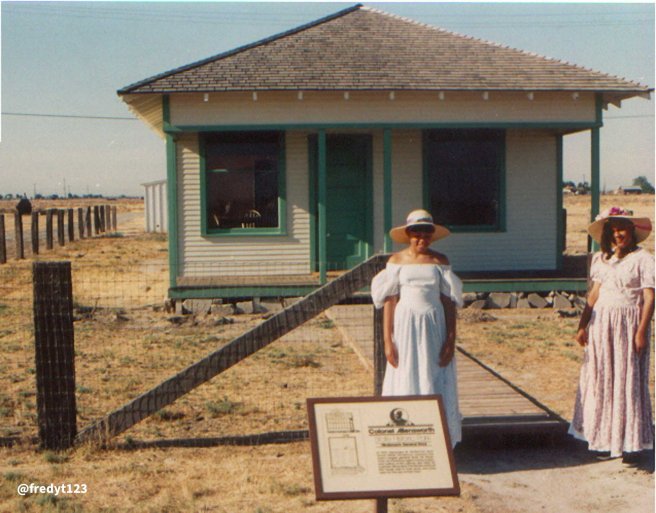
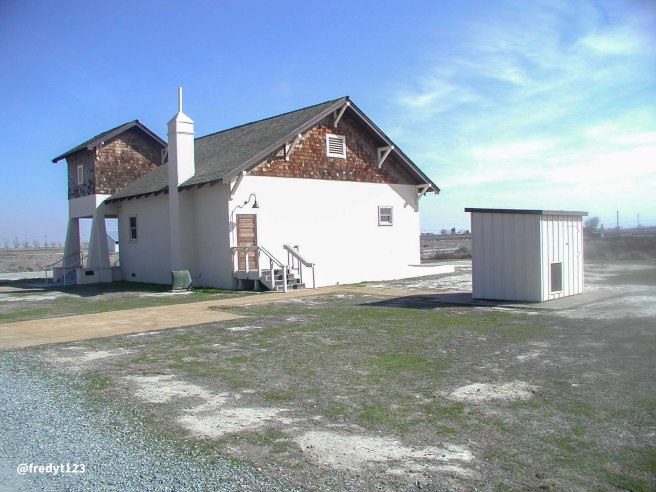
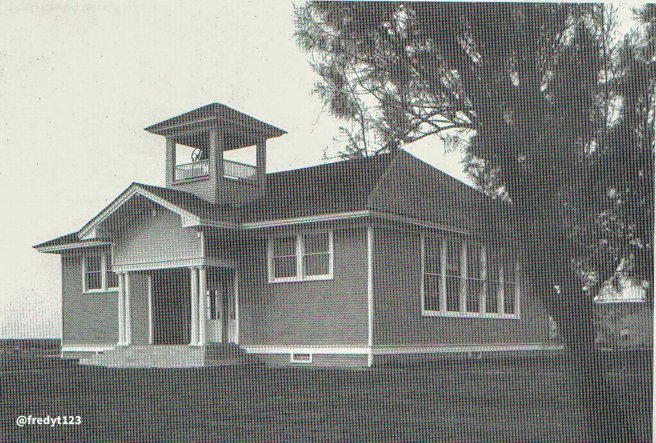
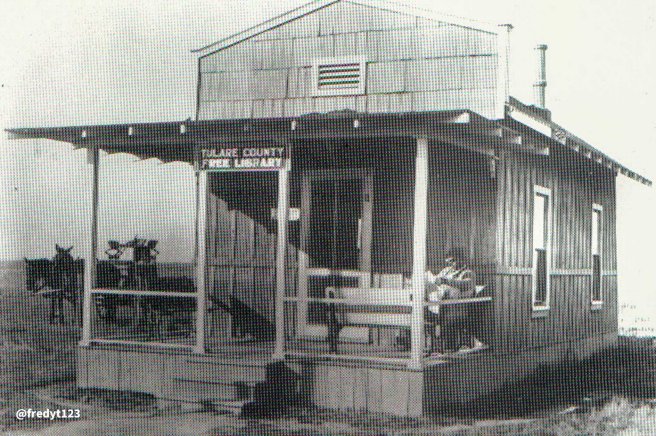
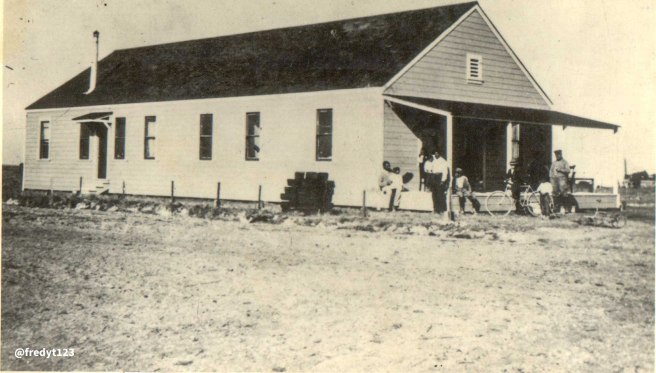
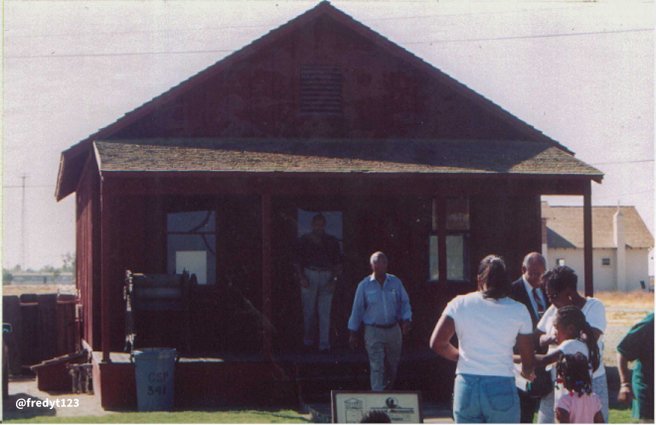
The State did a good job in interpreting how the town developed. Through the Friends they sponsored two annual events. The May Jubilee and the October Rededication.
The Los Angeles chapter grew and was able to take up more permanent space adjacent the plaza, at the Department of Water & Power in their community room. Finley’s experiment took off as chapters blossomed in places like Modesto, Palmdale, Vallejo, and San Diego. The result was visitation increased exponentially. The Friends of Allensworth chapter strategy became the envy across the State Park system as other “Friend’s” took notice of ways to increase visitation.
The Growth
Like any organization or business, growth has it’s benefits and drawbacks. It was great more people were visiting the park. The drawback was managing the chapters and people from the respective areas. Finley was a no-nonsense task master. You either respected his position and direction, or you didn’t! Because all of us were volunteers, some saw license to “free-lance” or stray from the direction Finley insisted. Additionally, many who discovered Allensworth had grand ideas to expand our mission way beyond what we could effectively manage. There were all sorts of proposals. Many of them good, but we did not have the bandwidth to execute. As you might imagine this led to frustration from some who felt they could no longer follow Finley’s lead. In the meantime, the Los Angeles chapter led the way as visitation continued to take off.
The Pilgrimage
The Los Angeles riots of 1992 were in late April. It was in early May, and our monthly Friends meeting had ended. As we were on the grounds, a person approached me asking what was going on. He had heard about Allensworth and was simply passing through. It was Huell Howser, known for his travel show on public television – California Gold. I told him about the upcoming May Jubilee, so he committed to coming back to Allensworth to film the festivities.
The event was remarkable, especially those from Los Angeles who were reeling from the activity of the riots. Word started spreading that Allensworth would be a great place of refuge. Nearly 5,000 showed up in what could only be defined as a Pilgrimage. Howser showed up and was delighted about the footage his crew was able to capture. Months later it was shown on PBS.
Allensworth – the place to be
There was great attention given to Allensworth. The Friends was able to expand our two celebrations, so we added Juneteenth, Black History and other events. Leaders from the State started paying attention to the excitement taking place in Allensworth.
At the time, the State was under republican leadership. The Governor was Pete Wilson. However, the person who ran the Park system was an African American named Don Wayne Murphy, who knew about Allensworth from his tenure as a park ranger. He was very supportive of our work.
He assigned several of his leaders to work directly with the Friends to make sure we had sufficient resources to continue our work. Daniel Abeyta was one of Murphy’s leaders who took his command expeditiously to make sure our leaders had keys to the facility as well as state transportation to mitigate the cost we encountered in traveling from Los Angeles. The result was we were able to complement Ranger Phil Hill’s workload in providing tours and other duties the public demanded.
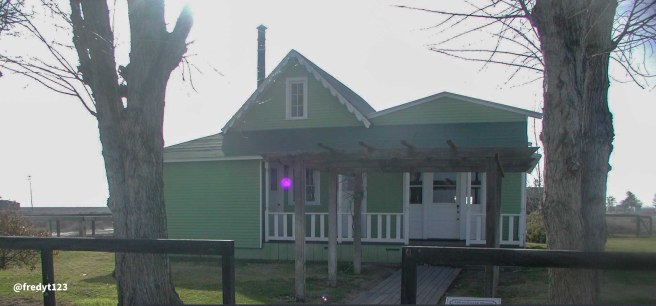
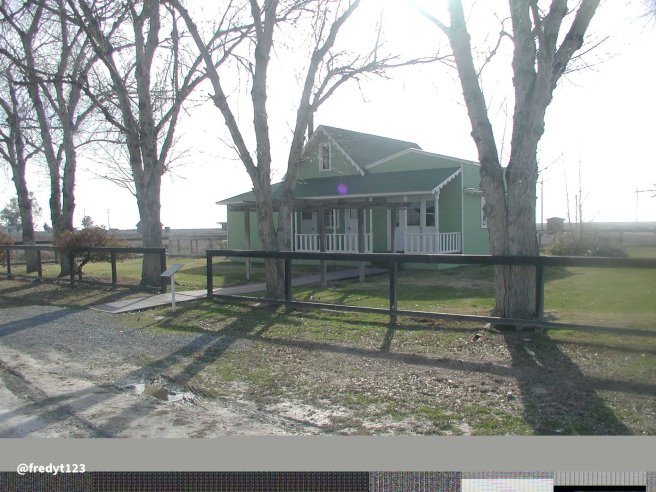
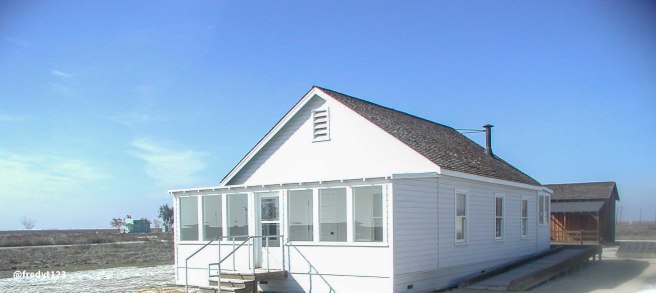
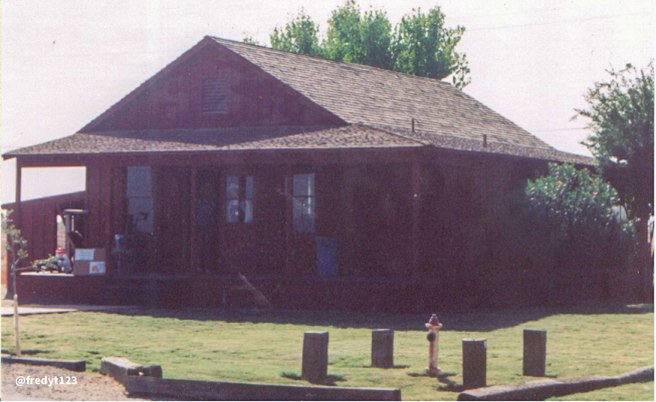
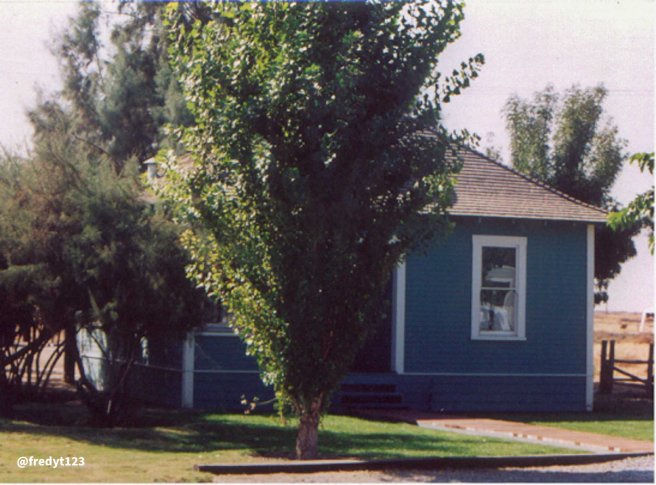
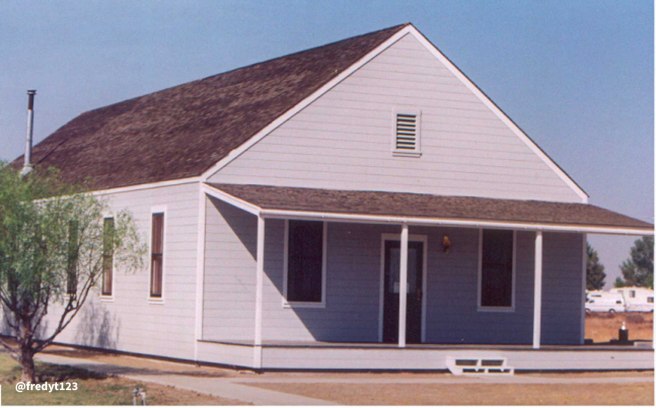
A new dimension was created because while the venue had a bungalow for volunteers to use, it was no match as Abeyta approved us to be upgraded to use the restored hotel for occupancy. So, now we had access to all the restored sites, reliable transportation, and a place to stay.
In addition to Hill and Abeyta, we also had access to specific staff park staff which included Jim Peet, Kathy Franklin, Willie White, JoAnn Frierson, Sally Richardson, JoAnn Williams. It was Betty Rivers who taught us how to interpret history. She was impeccable making sure we understood the methodology so that our research would be historically correct.
Allensworth 2008
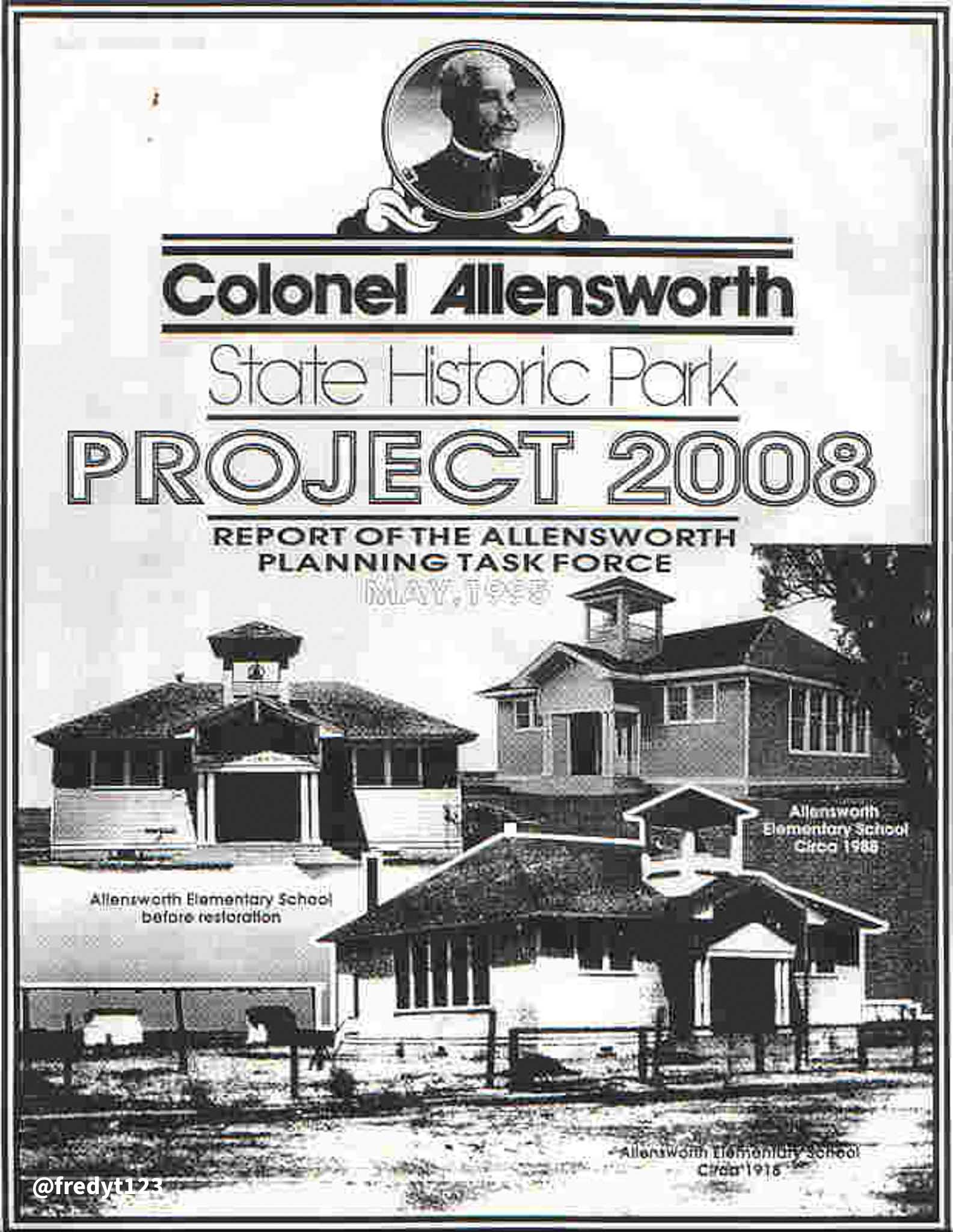
The town of Allensworth was founded in 1908. It became an official State site in 1976 and was guided by the official general planning and development document. Thus, while many ideas were bantered about, it was crucial development of the park stay within the course as outlined in the general plan. Director Murphy understood the documentation of the park system so as Allensworth was nearing 100 years old, in 2007 he assembled a team from staff and Friends of Allensworth leadership to update the general plan. The goal was to have the document presented in 2008 as it would be used as the guide to update future development of the park.
The Colonel’s Assassination
It was Rivers who helped us understand the role of a docent. She insisted on accuracy and our communication being historically correct. On occasion that would raise a conflict as it’s one thing to be a state employee and another being a volunteer, although both are on the same team. As a volunteer docent we would explore facts and add new dimensions based on our perspective as well as those we were speaking to. Much of the communication on interpreting the park is based on the State’s approved guide. However, like most things there is more than just simple explanations or definitions.
As an example, the common version you hear from the State is the Colonel died in 1914. That is a true statement, but most people ponder questions such as how did he die? Where was he when he died? Was it a sudden death? etc.
We sat out to get more information about his death. Judith, Charles and I connected with this person in Duarte. She knew about the Colonel’s death and wanted to share some information, so she invited is to her home. She also, pointed us to the Monrovia library as there was some documentation or more specifics about his death. We culled through various documentation which was on microfiche. It pointed out things such as an inquisition, details about the drivers of the motorcycle and location of the “accident.”
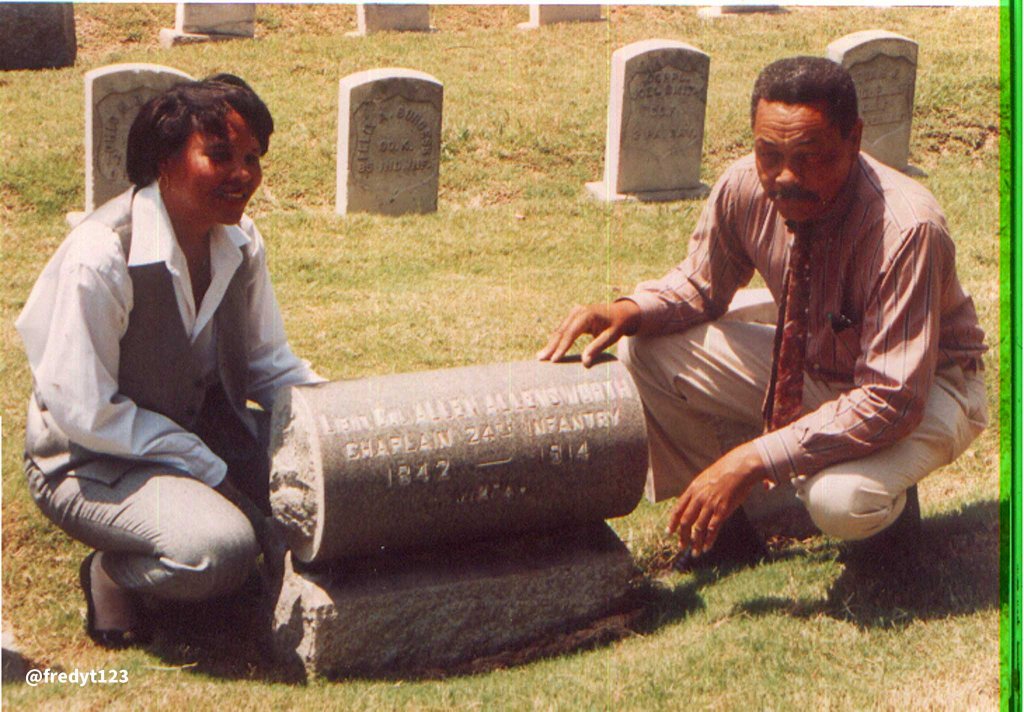
Our conclusion was that yes, he died but the cause of death was being run over by motorcyclist. The exact location was what is known as Foothill Blvd. and Myrtle Avenue in Monrovia, CA. At the time there was lots of excitement about how Allensworth was developing. The Colonel spent much of his times barnstorming areas in the foothills of Los Angeles sharing how Allensworth was a positive option for them to live. Additionally, there were plans for Allensworth to set up a college themed after Tuskegee University, since there was steady dialogue between the Colonel and Booker T. Washington. It was to become the Tuskegee of the West.
On that Sunday morning the colonel had gotten off the train and was walking north on Myrtle headed to Shiloh Baptist Church. Keep in mind “he was as healthy as a horse.” He never made it. Call it whatever you will, but from our perspective it was an assassination.
Allensworth lost its leader and the town never was the same, although it stayed afloat for several decades after losing the colonel.
Summary
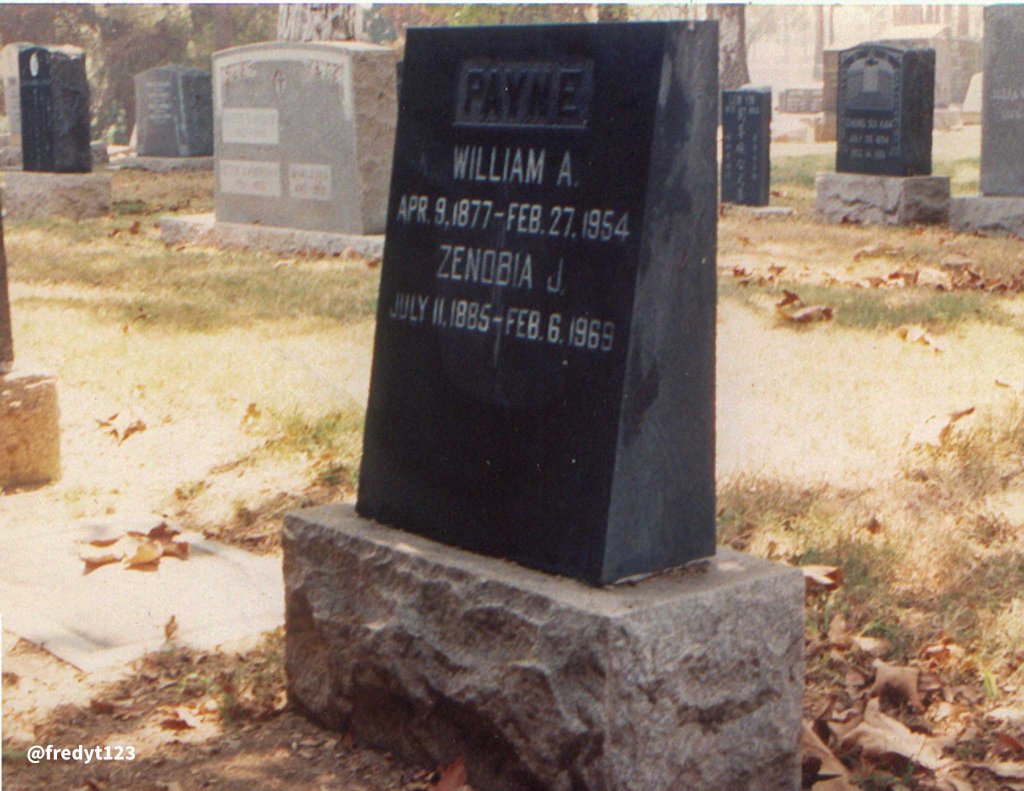
Allensworth State Historic Park is a great place. However, for those who do not know I would recommend you go outside the state park and discover the current town of Allensworth. One of the features that many do not know exist is the Allensworth Historical Cemetery.