The Confederate Battle Flag


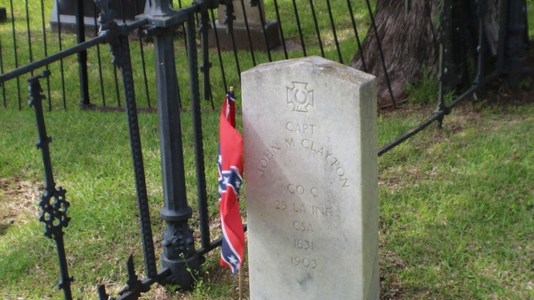
[Natchez, MS]  We recently completed a trek which took us to the south, specifically Natchez, MS.  My father is buried in the National Cemetery which is reserved for those eligible from their military service.  Down the road is the Natchez City Cemetery, which I also visited as relatives are there as well.

If you have never been to the “south” or unfamiliar with the history, customs or the culture you may come across……. you might have the reaction as my wife Judith in seeing gravesites highlighted with confederate battle flags.

The flags were a sense of pride for those supporting the confederacy.  There are many today, from all over the world who still proudly display support and recognize it as part of their “tradition.”  Whatever the explanation, I respect their choice to be honored by that symbol.  Although, I would encourage those who in 2018 claim the flag as some type of honor (unless, they are burying someone from that era) to immediately enroll in my american history class!!!!

It boils down to education or knowledge


The confederate battle flag was created to provide a distinct difference.  In its day it was known as the “Stainless Banner.”  The confederacy was created as opposition to those in the united states who wanted to abolish slavery, among other things.  The result was the Civil War.  The confederacy was basically identified as states in the southern region (i.e., Virginia, North Carolina, South Carolina, Tennessee, Georgia, Mississippi, etc.).

I have friends or know of folk who even today, have adopted the confederate flag.  Their explanation is it has been a “family custom” or “tradition” and such, embrace it with pride.  While some would go ballistic or be willing to disown them, I respect their opinions.  Instead of vilifying them or excoriating them from planet earth I view it as an opportunity to educate and have dialogue, as long as there is genuine communication.


What you don’t know, you don’t know!!!!


While the flag is embraced by some, and perhaps by more than you might imagine……many do so because they simply conflate reality or historical facts.


Treason & Fear


The fact the confederacy wanted to have their own flag to identify allegiance is understood.  Fortunately, the Civil War ended and the desire of the confederacy to have their own government was squashed by their defeat.  Interestingly, some still fight the tenets of the civil war as if it never ended.


trea·son

ˈtrēzən/

noun

  1. the crime of betraying one’s country, especially by attempting to kill the sovereign or overthrow the government.


So, from most historical accounts the actions of the confederacy were treasonous as their primary attack was to overthrow the current government.

As the Civil War ended, the dynamic of racial equality resulted in violence which still exist in some pockets of our country.  Those in opposition of equality, particularly terrorist groups such as the Klu Klux Klan adopted the confederate battle flag.   That is why even today, many who see the confederate battle flag being used, especially if they are African-American or non-white are reminded of the terror and oppression meted out by those who embrace the flag.


I recall during the Trayvon Martin murder and was completing some research in Sanford, we came across several confederate battle flags flying from homes.  Remarkably, these were noticed in the same tract as the police department!  We simply concluded  that for many they embrace the flag and don’t associate the negative reaction, or don’t care from those who are not like them.


The confederate battle flag is a part of history.  It may be easy to dismiss or prevent honest dialogue, even with those you may consider as friends?  I understand the sense of pride of those who used it during the participation as part of the confederacy.    However, for those who continue to embrace it, perhaps that represents the great opportunity for some basic conversation, education and reality.
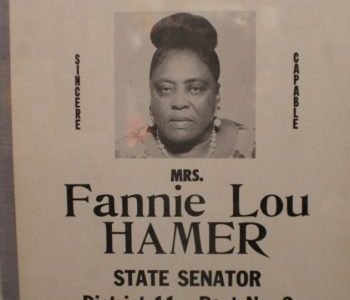
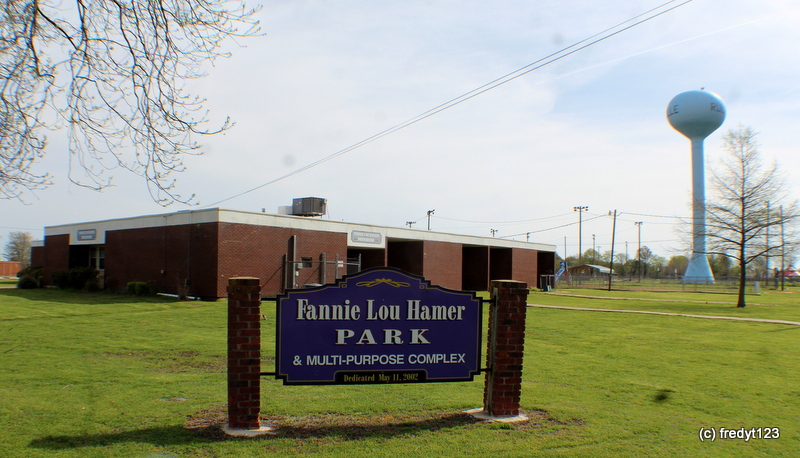
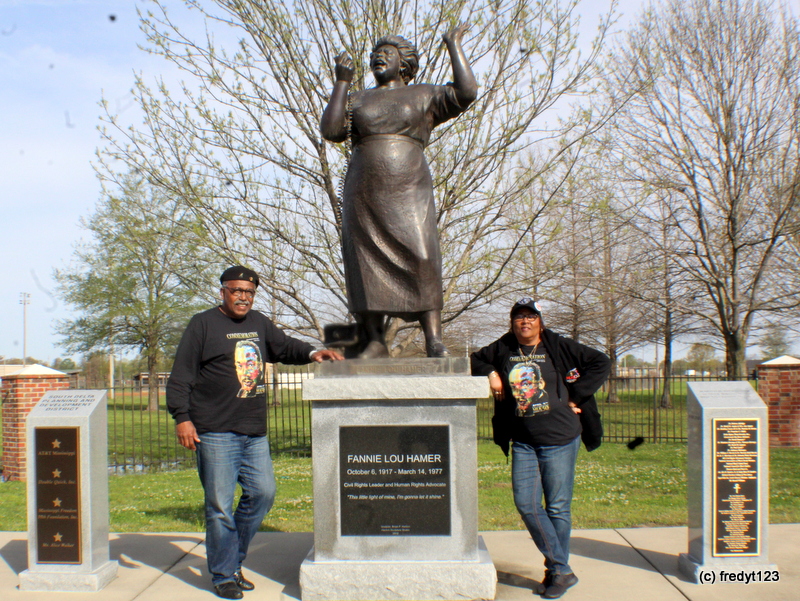
Fannie Lou Hamer Complex – Ruleville, MS


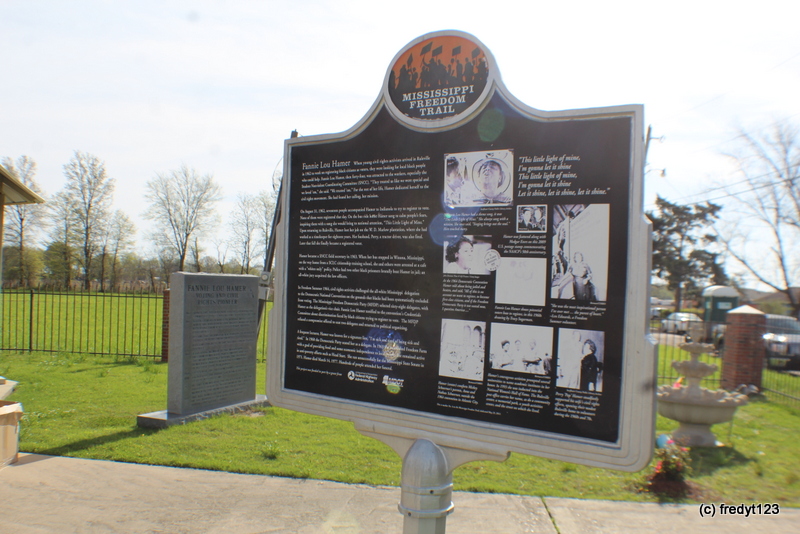
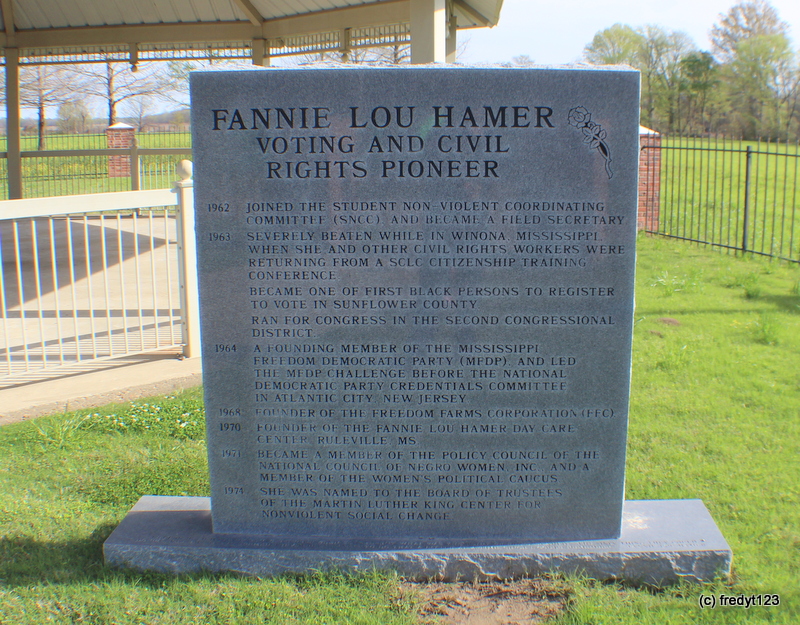
The Fannie Lou Hamer complex is a MUST-SEE!!!

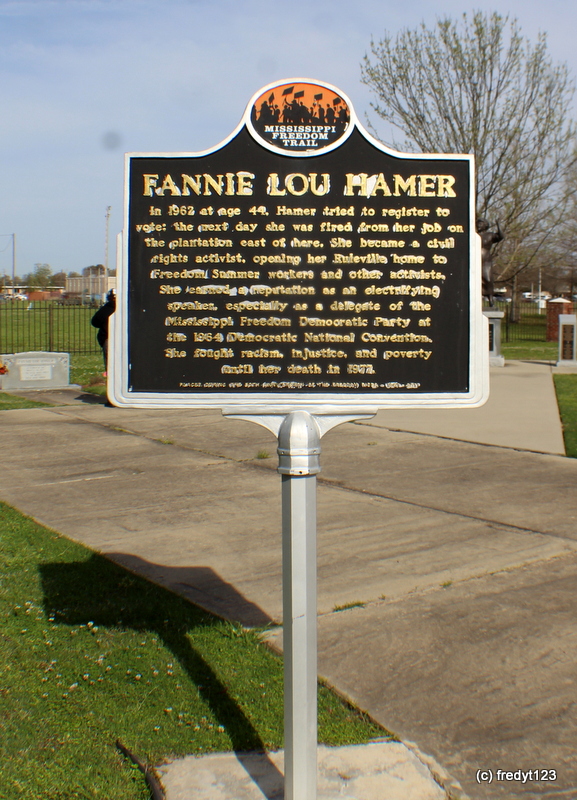
Ruleville is in the “Delta” and is about 2 hours southeast of Memphis and about 2 miles northwest of Jackson.  Fannie Lou’s story is remarkable and we were blessed to finally be able to visit the site and pay our respect.

On the way from Memphis, surprisingly you will pass Parchman prison which is where Fannie Lou wound up simply for attempting to register folk to vote!!!!  It was also the temporary home for many other civil right heroes, especially Freedom Riders who too took great risk of their lives in the fight of equality.

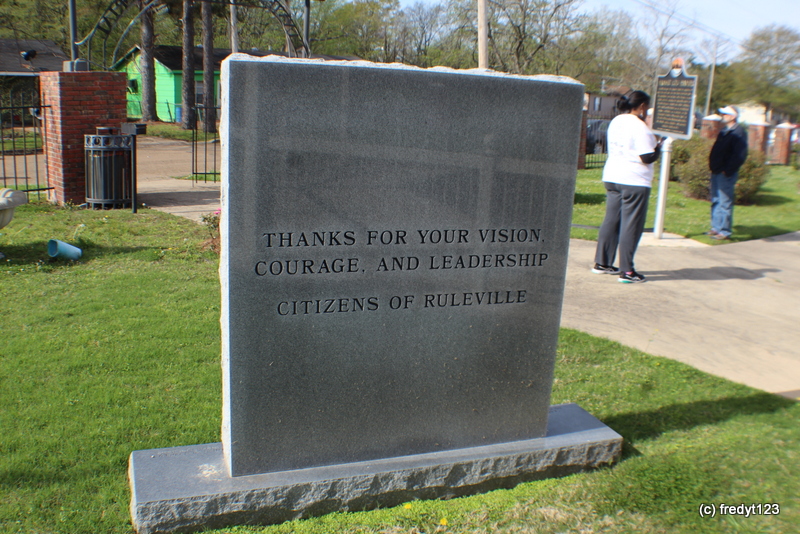
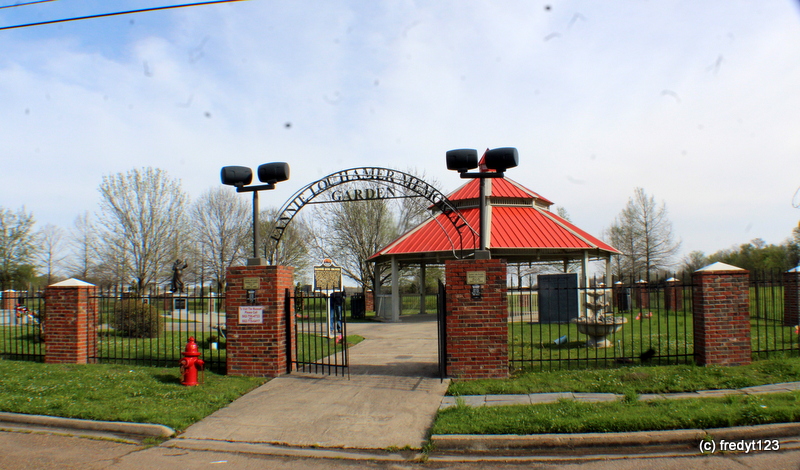
The Fannie Lou Hamer Park is part of the Fannie Lou Complex. In addition the museum (currently being updated), next door is the memorial garden
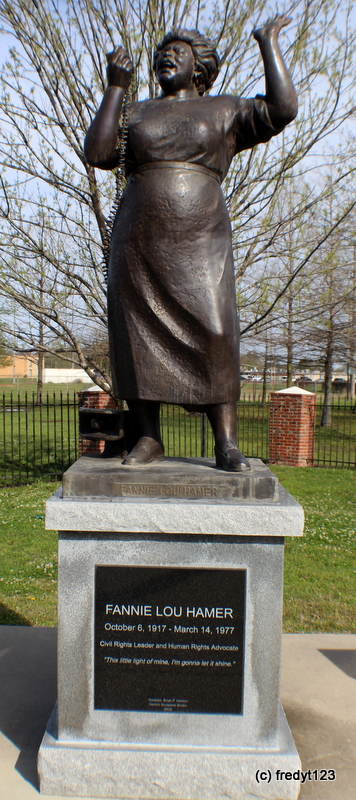
Judith and I take time for a quick pose at the great Fannie Lou Hamer statue


If you want to learn more about Mrs. Fannie Lou Hamer please see this clip from the iconic “Eyes on the Prize” as it chronicles the Mississippi movement as well as her role, including the sacrifices she had to endure.


Chasing King’s Killer – The Hunt for Martin Luther King, Jr.’s Assassin – My Review


If this book were a novel it would easily earn 5 stars.

Unfortunately, because it deals with history and is one person’s account, I will be generous and rate it 3 stars, simply because there are a couple of critical omissions, so unless the reader is fully informed on the life of Dr. King and the events which led to his assassination, they are left to the narration of others.

The book is masterfully designed and in hardback looks great.  It is designed as part of the Scholastic series or targeted for high school students or young adults.  However, regardless of age, the content is so intriguing it is a great find for your library.

It weaves you through the journey of Dr. King’s life including one of the initial assassination attempts during his inaugural book signing which took place in New York.  Also, there are some great photographs in the book.  It continues and traces Dr. King’s work which eventually took him to Memphis.  Then, it changes course and brings James Earl Ray into focus.  Swanson does a good job in narrating the life and struggles of Ray.  It concludes with his decision to finally pull the trigger firing the deadly blow which allegedly fell Dr. King.

The book covers 373 pages and has a touching forward by civil rights icon, Congressman John Lewis.  Upon reflection I doubt if Congressman Lewis read the entire book?  The contradictions made in Swanson’s representation are basic well-known facts, so either Lewis let it slide, didn’t think it was significant enough to challenge or simply lent his name to the book but didn’t read it?

Dr. King’s life and work is well documented.  Some facts or issues are disputed but I am one who has studied Dr. King for some time and while mistakes or errors do occur from time to time, from my perspective Swanson writes from a viewpoint he feels worthy of directing.  Also, in fairness to Swanson I received a copy for review so perhaps corrections have already been made?  My critique is not to be a knit-picker but facts are facts and any omission raises red flags and as previously mentioned are very important when historic events or figures are the topic.

Two Contradictions

Here are two contradictions on why I reduced my rating from 5 stars to 3 stars.   Fortunately, in addition to studying Dr King’s work, I have been to Memphis.  Been to the Lorraine Hotel, the area where the shot was allegedly fired from.  Additionally, I have been inside the Mason Temple arena where Dr. King gave his last speech, the famous “Mountaintop Speech.”  As Swanson describes the day of April 3, 1968 on page 128 he specifically mentions on the third paragraph Dr. King had spoken for an hour and a half.  That translates into ninety minutes?  Fortunately, many of Dr. King’s speeches and remarks were recorded.  I have listened to the “Mountaintop Speech” well over 50 times and the facts are simple; Dr. King did not speak for ninety minutes but more like 30 minutes from the time Rev. Abernathy introduced him until his last words where he was helped to his seat when finished.

The other issue is accepting the notion that James Earl Ray was the only killer?  Coincidently, in 2008 I met Judge Joe Brown at the Lorraine Motel and he spent over three hours explaining the case federal case  where he was the presiding judge.  The trial is well documented and was brought by the King family to determine if James Earl Ray was the only killer?  Judge Brown is known for his controversy but whether you believe them or not, or whether you believe Swanson’s narrative or not was not the sole criteria for my review.  However, Swanson appears to marginalize the King family’s attempt to get “their” truth as on page 251 he writes, “his lies (Ray) deceived Dr. King’s family and one of King’s sons visited Ray in prison, told him he believed him, and shook his hand.”  The problem for me what Swanson’s represents is the tone of denial or questioning the reality of the King family, at least as how they saw it!   In other words who is it for them to question the narrative which most of the public has accepted?


Judge Brown told me directly that based on the trial, James Earl Ray was not the killer.   As shocking as that might sound, it is a critical fact or point of view worth exploring.  The bigger point and the reason I challenge Swanson is the King family accepted the jury decision of the trial, which concluded James Earl Ray was not the lone killer as people had been made to believe.

Nevertheless, Swanson has presented a good book.  It is yet another perspective of Dr. King and his assassination.  I am sure he has an explanation on the issues I have raised regarding the accuracy or narration of the book?  For some the omissions I have pointed out may appear irrelevant but the factual record is clear and if the King family supported granting James Earl Ray a trial to determine if in fact there were other conspirator’s, then who is for Swanson or me to refute their desires or motivation?

50 Years Later – Martin Luther King, Jr. – His Life and Legacy


This past weekend thousands of souls participated in the annual Selma Bridge Crossing May Jubilee.  The event commemorates the historic “Bloody-Sunday” event which occured March 7, 1965.  Sadly when you reflect on what made the event historic you are reminded it was legal segregation maintained in many states across the United States and their refusal to allow African-American (Negroes) to register to vote.  So for those who even today in 2018 sit while dismissing the notion that voting is irrelevant or doesn’t mean anything, I would implore them to study some history and understand why many in power used the law to stop folk from executing their constitutional right.

MLK’s 50th Commemoration

People from around the globe are making plans to journey to Memphis, TN to pay their respect and participate in the 50th Anniversary Commemoration of the assassination of Rev, Dr. Martin Luther King, Jr.  Many events are planned and some are taking place as your read this.  A special tribute will take place on April 4, 2018.

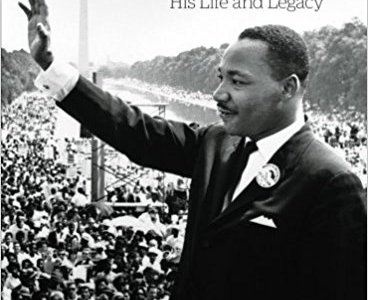
Time Magazine has released their book, “50 Years Later – Martin Luther King, Jr. – His Life and Legacy.”  I received my copy today and the ninety-six page book will be a good addition to your library.  It is filled with many photos and short essays which provide a perspective of Dr. King’s journey and sets the tone of the historic event.


NMAAHC Newsletter released


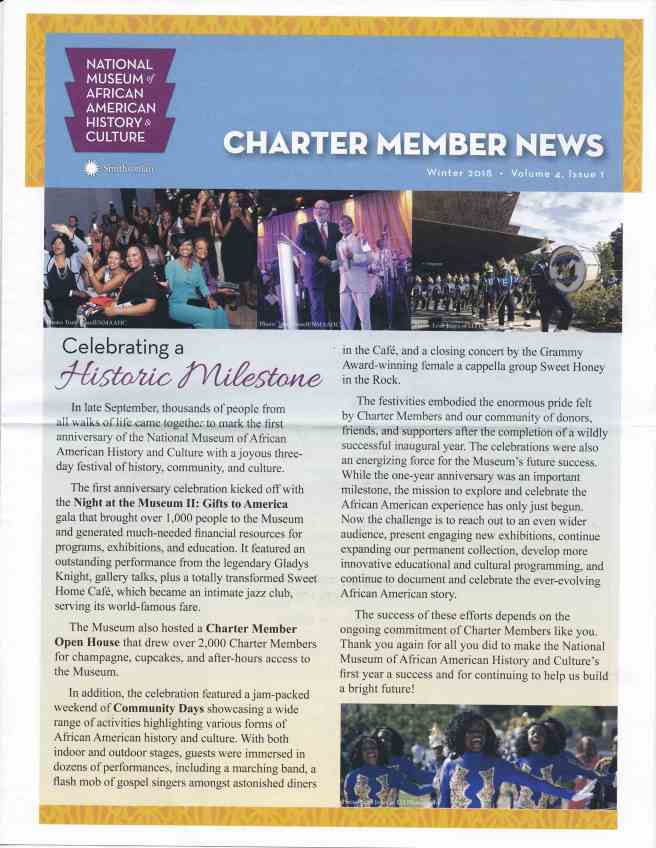
[Washington, DC]  The Smithsonian National Museum of African-American History and Culture continues to be one of top visited sites in the District of Columbia.  Some of you are charter members or other designations and received your recently published newsletter (Vol 4, Issue 1).  For those of you who didn’t receive it we have made it available via .pdf format.  The issue takes a look back from the historic opening until current.


nmaahc newsletter vol 4 – page 1 edited

nmaahc newsletter vol 4 – page 2 edited

nmaahc newsletter vol 4 – page 3 edited

nmaahc newsletter vol 4 – page 4 edited

nmaahc newsletter vol 4 – page 5 edited

nmaahc newsletter vol 4 – page 6 edited

nmaahc newsletter vol 4 – page 7 edited

nmaahc newsletter vol 4 – page 8 edited


Cuba:  The Forgotten Revolution – My Review


[Westchester, CA ]    When most people think about the Cuban Revolution, whether you love him or hate him it is recognized Fidel Castro was the leader.

This past weekend Loyola Marymount University hosted “A Celebration of Cuban Arts and Culture.”  Among several activities, Professor Glenn Gebhard, noted film director and professor in the LMU School of Film and Television screened his Emmy award doc, “Cuba – The Forgotten Revolution.”   The film came out in 2015.

The piece is not just another bio-pic about Cuba.  What it does is update the historical record and highlights how Fidel rose to the ultimate leadership position.

I decided to make the film with the understanding that some would hate it and try to dismiss it, and others would love it!!  Professor Glenn Gebhard


Prior to the noted take-over in 1959, escalating in the 1950’s there were several opposition forces to the Bautista regime.   The film highlights leaders who at the time were more powerful than Fidel.  Two which deservingly captured the research of Gebhard was Jose Antonio Echeverria and Frank Pais.  Many young people across the island formed their activism while attending the University of Havana.    Jose Antonio Echeverria was student body president and developed quite a following which bled out of the University to the western part of the country.   Frank Pais (Pie-Es) was at the southeastern portion of the island in the Santiago region and also had assembled an impressive opposition group.

Fidel’s martyrdom is well documented.  Unfortunately,  Echeverria nor Pais lived to see the victory of the revolution.  Echeverria was killed at 25 years old in 1957.   Several months later in July País who was just 22 years old was also killed.

Even though previous historical accounts skip over their place in the revolution (highlighting Fidel as the primary leader), Gebhard’s film gives you a much better perspective how their actions fueled the revolution and successfully forced Bautista out.   After all, following the July 26, 1953 ill-fated battle at Moncada prison, where Fidel suffered a defeat and subsequently was captured and imprisoned, Echeverria and País had forces much larger than his.


In completing the film, Gebhard compiled a fledging team who were able to cull together solid documentation.  However, it was through his connection with Steve Krahnke and his team at PBS that finally made the film a reality.

The thing about a documentary is facts are pulled together from the perspective of the producers.  Some may dismiss their facts but just as Gebhard presented information to update the record, until others provide refuttable facts, the presentation becomes the current account.

My score, a 10 based on content.

**screening dates of the film are pending, however it is available on Netflix**

Pan African Film Festival kicks off tonight


[Baldwin Hills, CA]   Celebrating its twenty-sixth year as one of the prominent platforms for independent film producers to showcase their work, the Pan African Film Festival commonly known as PAFF kicks off tonight.

Those who are regulars to PAFF already know about it’s magic.  Unfortunately, some are culturally conditioned and marginalize the event as just a “black event” or worse, “south of the 10 freeway.”  In reality, PAFF proudly boast an event featuring films and arts and crafts from the diaspora (African-Americans as well as those with African ancestry who are all over the world).  Organizers go to great lengths to make sure the venue and activities are enjoyable so that all who attend feel comfortable and safe while appreciating the cultural content that is provided.


“Love Jacked” opens the festival with the red carpet starting at 5:30pm and screening at 7:00pm.  The twelve-day festival will feature approximately 175 screenings, arts and crafts, seminars and many activities for all ages.  The venue will once again be at the Baldwin-Hills Crenshaw mall, which includes the Rave Theater.


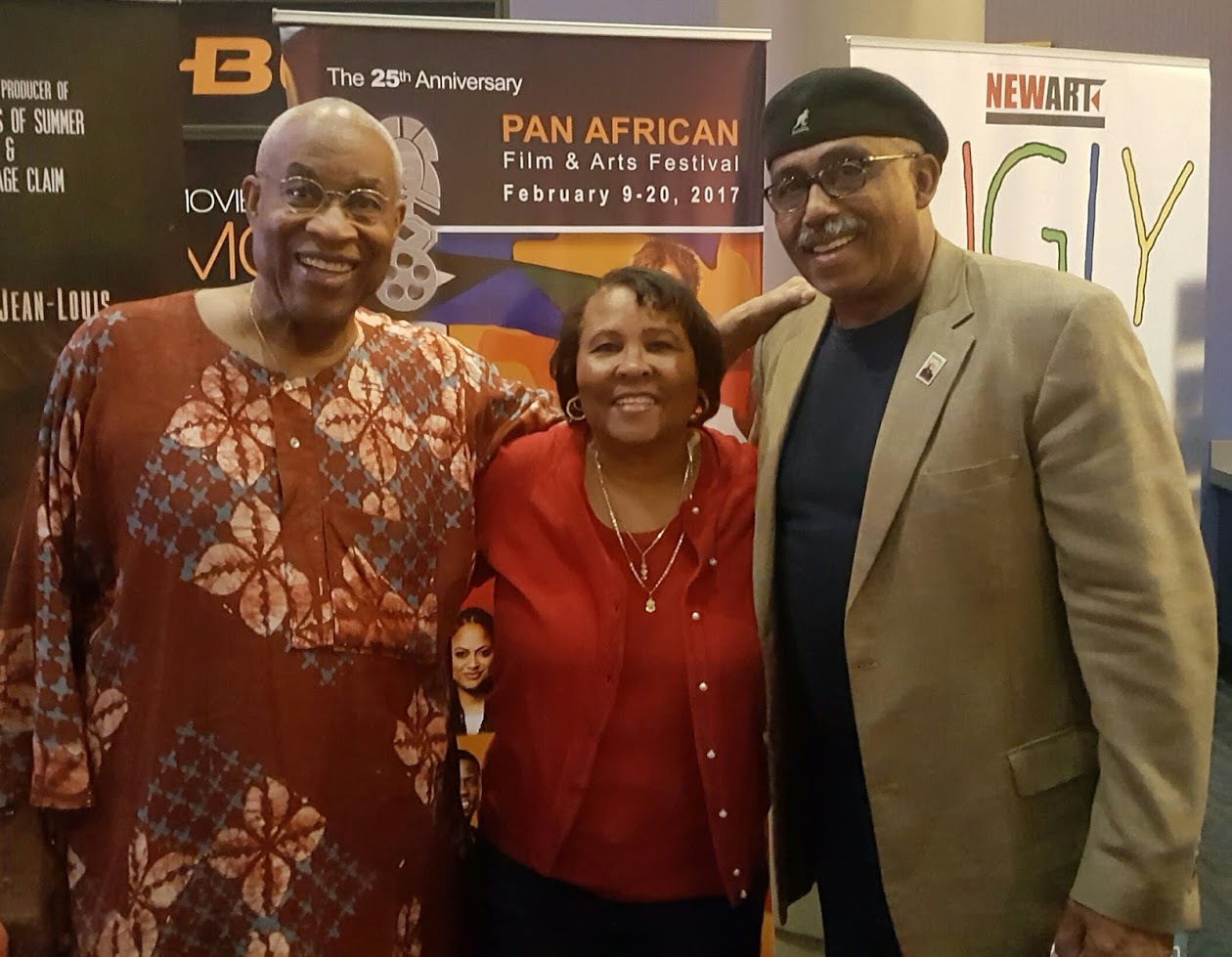
“Babu” takes time to pose with Judith & Fred Thomas

PAFF was the brainchild of Ayuko Babu and through the years his commitment to keep the festival in the Baldwin Hills community has paid off.  Artist come from various countries and cities within the United States to take part of the festival.   Also, there is great support from the community as most screenings get sold out or near capacity.


“We started with just a concept and over the years many venues to the north and west of Baldwin Hills have pleaded for us to move, but this is our treasure and for those who really like what we have to offer they are more than welcome to make the trek and discover what most of us already know. ”  Babu


For more information on screening times please check HERE

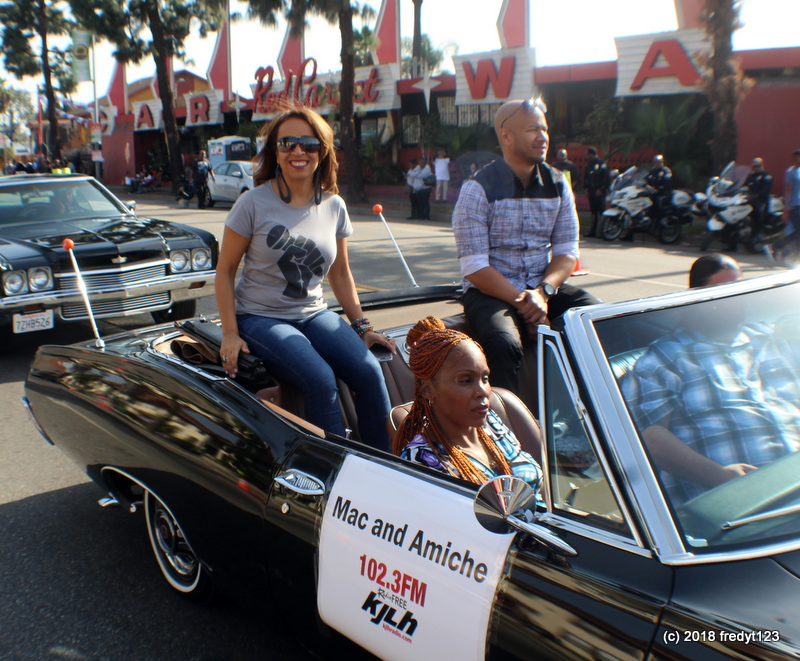
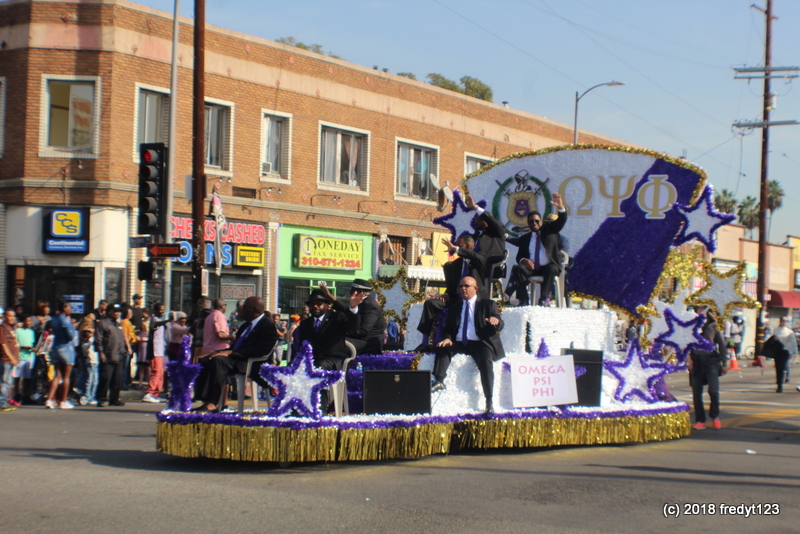
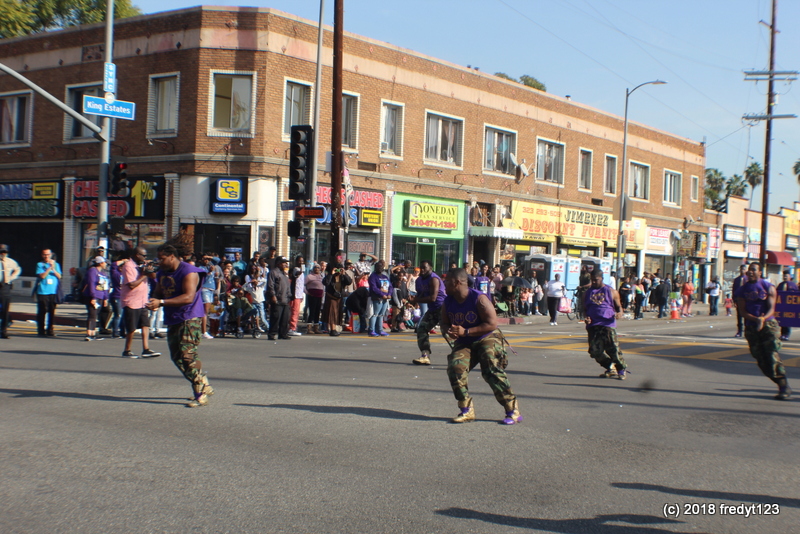
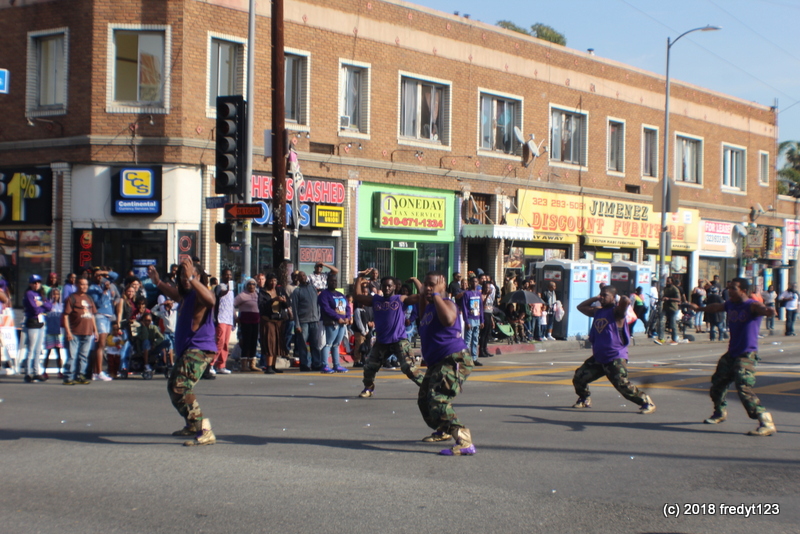
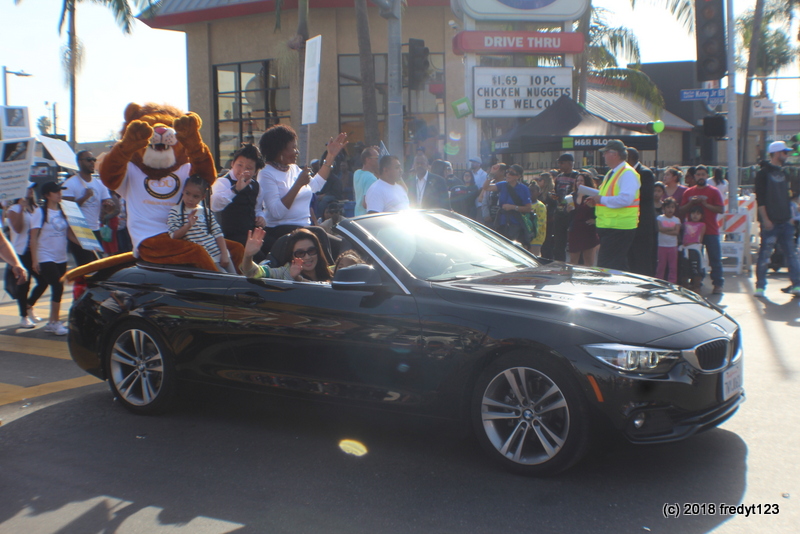
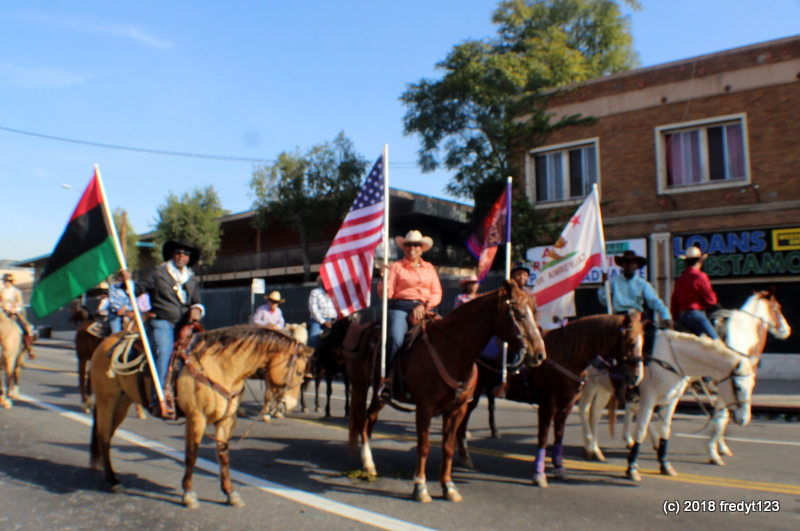
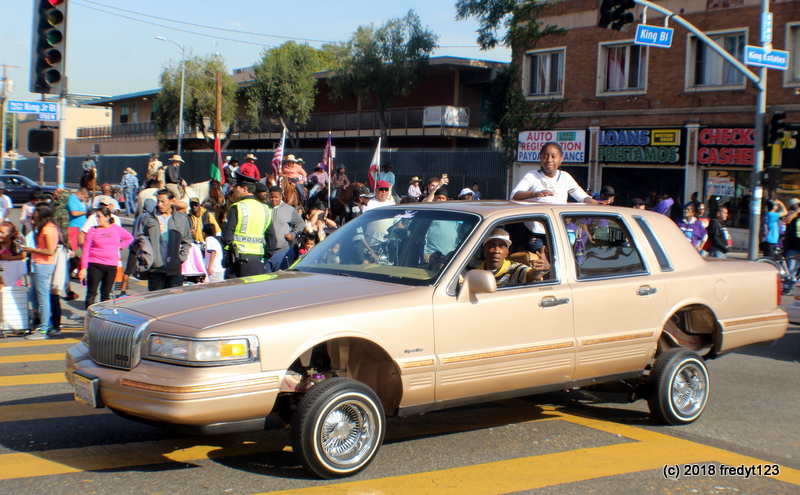
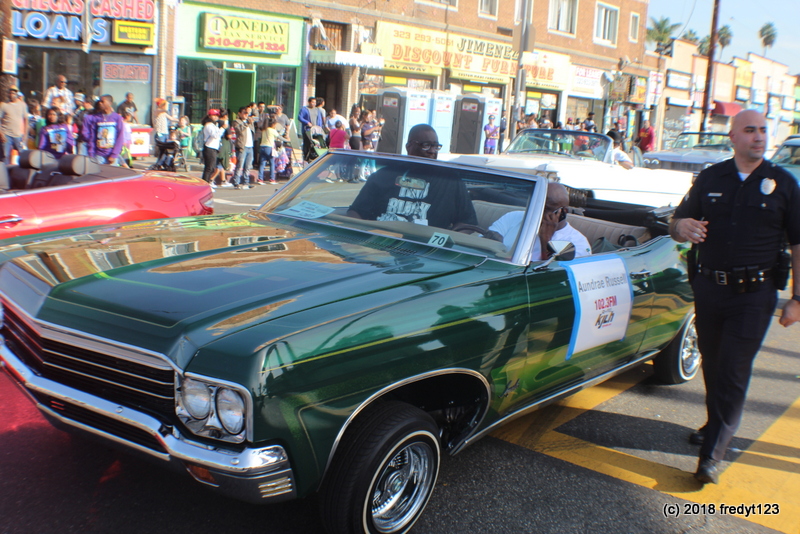
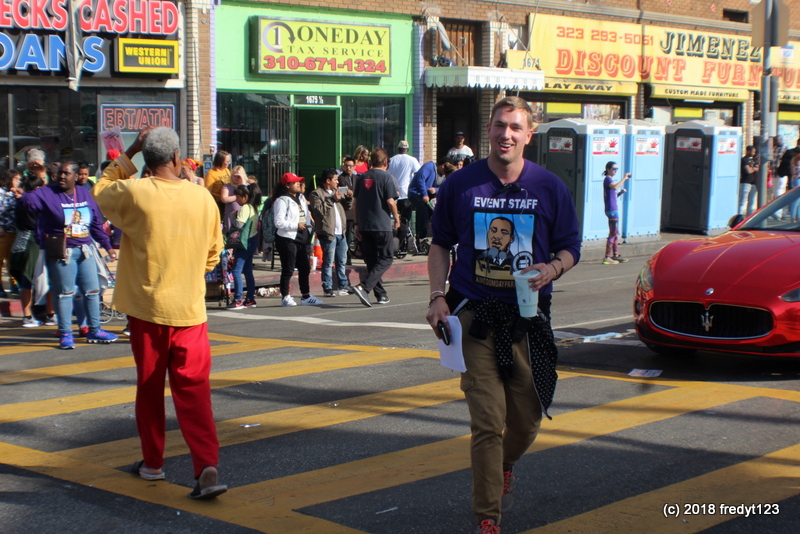
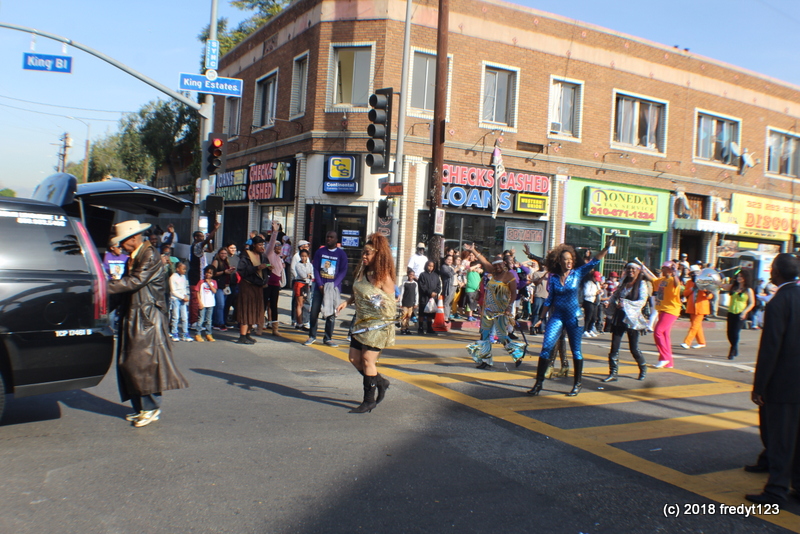
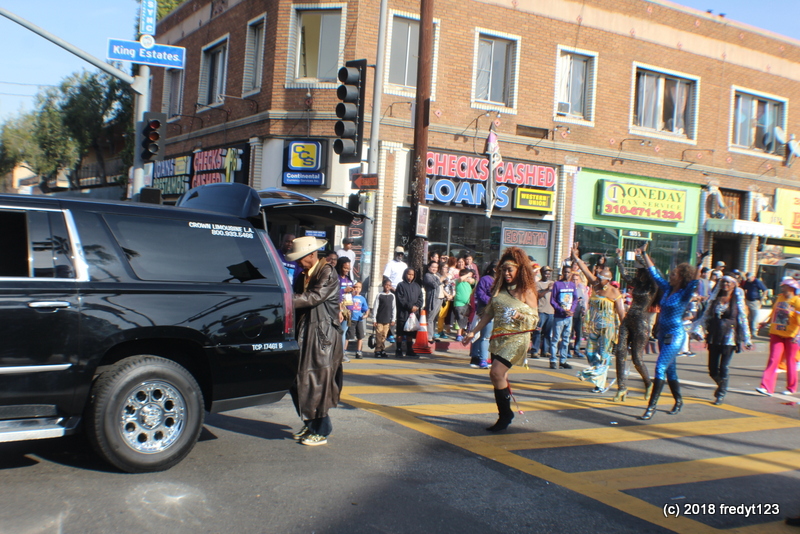
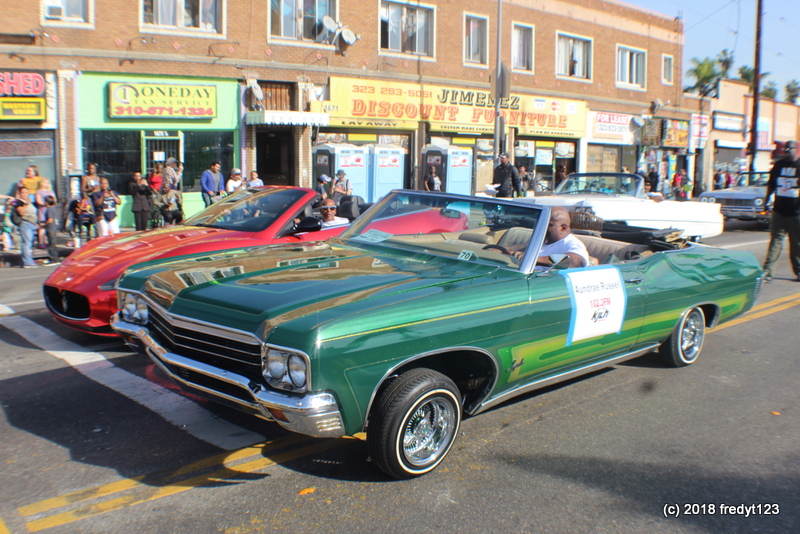
2018 Kingdom Day Parade – a few images


[Los Angeles, CA]   Known as a great city in a huge desert people can count on Los Angeles to offer dry weather.  Such was the case as the nation commemorated Rev., Dr Martin Luther King, Jr.’s birthday on Monday, January 15th.

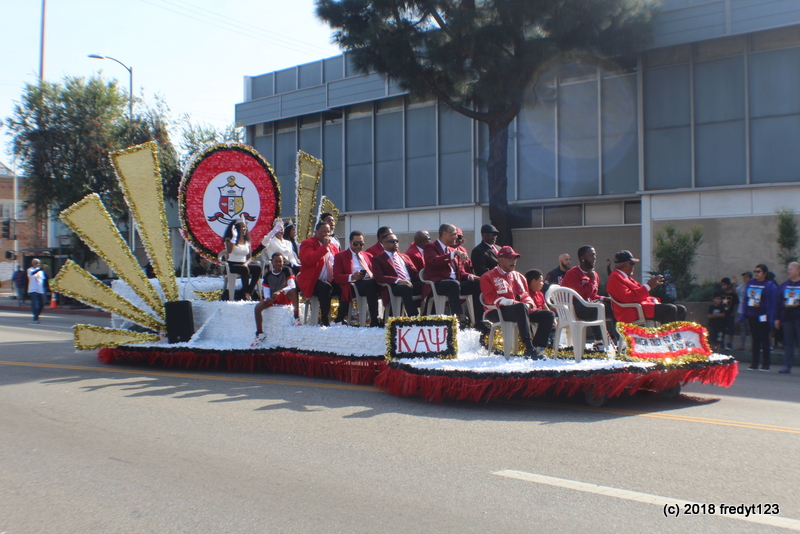
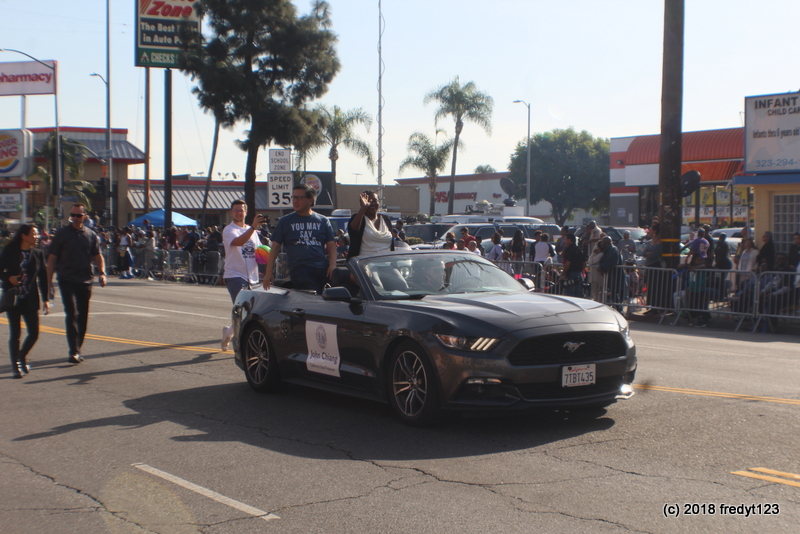
Organizers of the Kingdom Day Parade delivered another great event which was well received by the community.  In addition to the hundreds of thousands who lined MLK boulevard to see the event live, over 3 million watched on local channel 7 affiliate, KABC-TV.


Here are a few images from the successful parade.


HBO


VIDEO RECAP OF PARADE

http://abc7.com/video/embed/?pid=2948870


The next big event honoring Dr. King will be the 50th Commemoration of his assassination

Los Angeles prepares to lead the way celebrating Dr. King


In just a few days the nation will be honoring the birthday of Rev., Dr. Martin Luther King, Jr.    On Monday, January 15th in what would have been the 89th birthday of Dr. King, Los Angeles will once again be a leading city as it showcases its 33rd Kingdom Parade.  Actually, starting in 1981 in San Diego, the parade was morphed into the Kingdom Day Parade in 1985.  In addition to the hundreds of thousands who will be lining MLK Blvd., nearly 3 million are expected to watch the parade as KABC-TV will once again broadcast the parade live starting at 11:00am.


2018 is a special year when Dr. King’s name is mentioned, as it marks the 50th commemoration of his assassination and many are planning to be in Memphis on April 4th to pay their respect.

(c) fredyt123 photo – all rights reserved


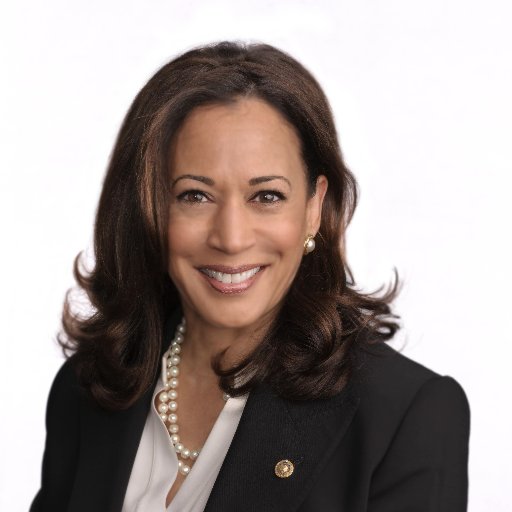
To recognize the significance of the Kingdom Day Parade, Senator Kamala Harris will be the Grand Marshall.  Her selection has been met with enthusiasm as many view her as a dynamic politic figure worthy of honoring Dr. King.

United States Senator Kamala Harris – 2018 Kingdom Day Parade Grand Marshall

More information


CUBA:  Cigars and Rum


When the word CUBA comes up, of all the cultural attributes which define the country three stand out and are popular throughout the world: Cigars, Rum & American Cars.

Excerpt from United States Department of Treasury regarding updated guidelines.  The bottom-line is regarding Cigars and Rum/Alcohol you can bring back as much as you want!!  As was the case with us, “as much as you want” is tricky because you run into overweight luggage issues and the practical reality of exactly how much you can tote without smashing or breaking the products?


Can I purchase Cuban-origin cigars and/or Cuban-origin rum or other alcohol while traveling in Cuba? Persons authorized to travel to Cuba may purchase alcohol and tobacco products while in Cuba for personal consumption. Authorized travelers may also return to the United States with alcohol and/or tobacco products acquired in Cuba as accompanied baggage for personal use. OFAC considers “personal use” of an imported item to include giving the item to another individual as a personal gift, but not the transfer of the item to another person for payment or other consideration,” U.S. DEPARTMENT OF THE TREASURY OFFICE OF FOREIGN ASSETS CONTROL


Cuban Cigars

Cuban Cigars are institutionalized which mean they are controlled by the government.  The Vinales valley located in the Pinar Del Rio region of Cuba is about 2 hours southwest of Havana.  It is known as the top tabac region in the world as it is an incredible sight to see how the plant is transformed resulting in a product which is coveted around the globe.


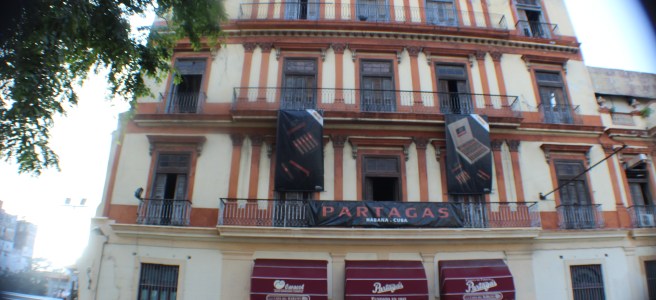
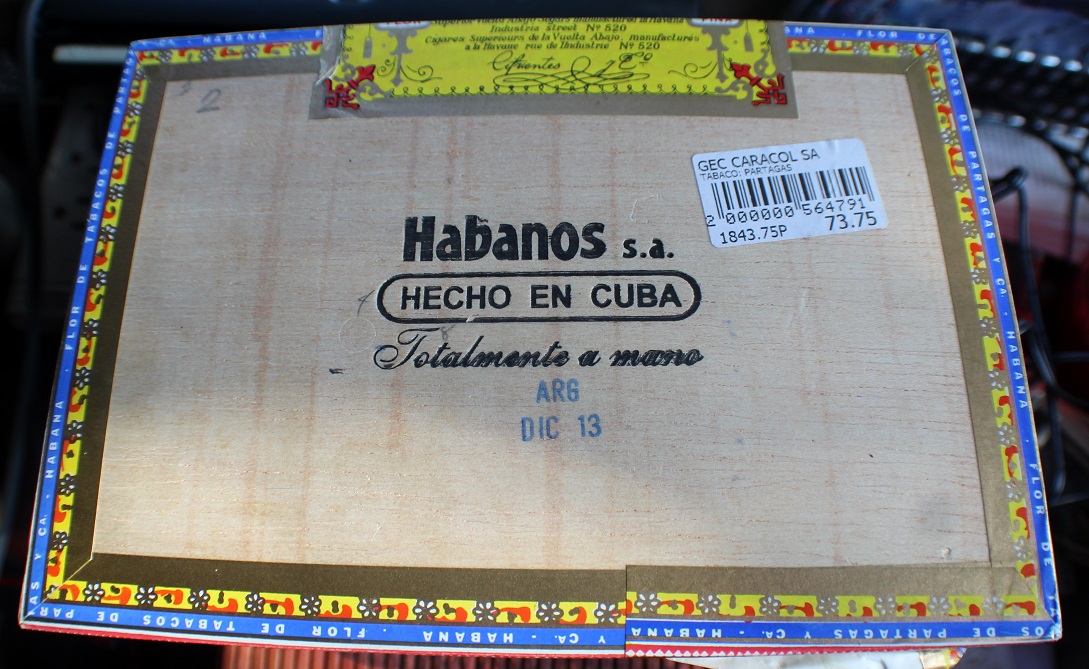
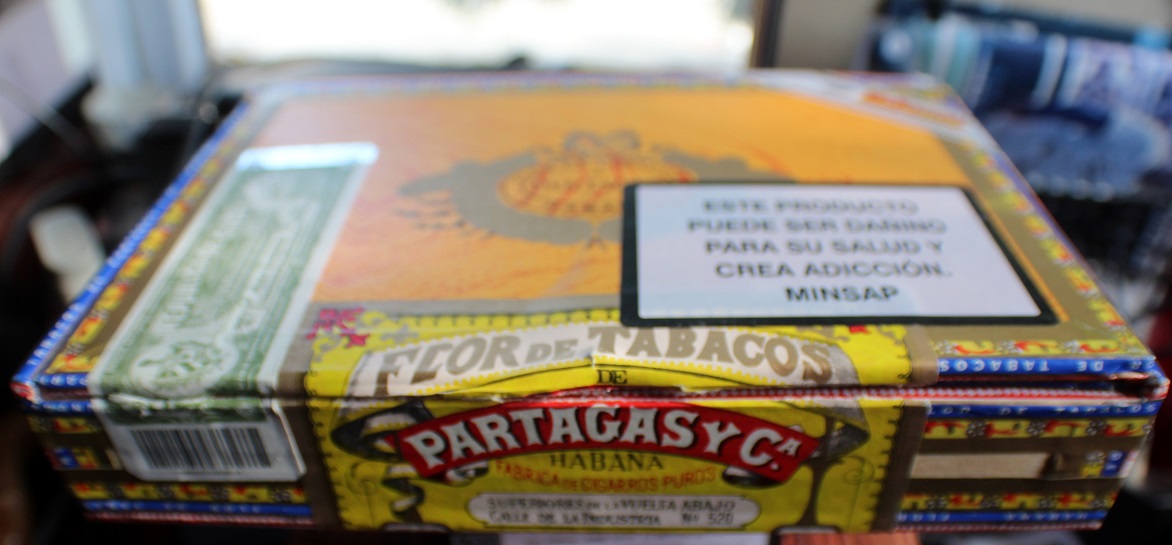
Production operations are scattered throughout the country.    However, in Havana there are several facilities which are historic and have been around for centuries.  One facility we visited was the Partagas Tabac Factory.  Interestingly it is located across the street of the country Capitol.  Prices vary based on the grade or quality of the cigar but whatever you pay at the retail store, is far less than what you might expect on the fair market, assuming it is available.   As an example the one box of cigars which was defined as “medium grade” cost a tad under $75.  So that is a little less than $3 per stogie.  The same box sold in the open market would yield $130, $150 or even $175 and more.  Therein, you can see the advantage as well as bargain of going directly to the source.

Box sold in Cuba 73.75 CUC’s ($73.75)
These are mid-range quality….not to top of the line and certainly not on the bottom
The government seal must be on each box and unopened

Another note about Cuban cigars is the abundance or available throughout the country.  I understand the mystique about buying a quality cigar at a low price but I am stunned how tourist or those visiting the country still find themselves duped into buying counterfeit smokes.  So, the buyer must be aware.  My recommendation is unless you buy them directly from the grower or from a government establishment (or otherwise reputable seller), you are risking to get snakebit.


Cuban Rum

Cuba like most countries in the Caribbean are known for their rum production.  In Cuba, rum appears to be cheaper than water!!  Being the largest island in the region helps you understand how rum is also institutionalized.  Haiti was known as the top producer of sugar cane.  That is until the Haitian revolution of 1781 when the slaves revolted.  It was that moment which sugar cane plantation owners relocated their operations to Cuba.  There are many rums in Cuba.  The national brand is known as Havana Club.

The price is consistent throughout the country.  You can walk into any store and a pint of basic run will set you back only $2.90.  A fifth or about a liter sets you back around $4.50.  Of course the super premium blends will cost you $8, $10 or even $15 for a liter.  That is a “steal” when you consider in those countries where it may be available you will be paying $35, $45 and more for the same product.


American Cars

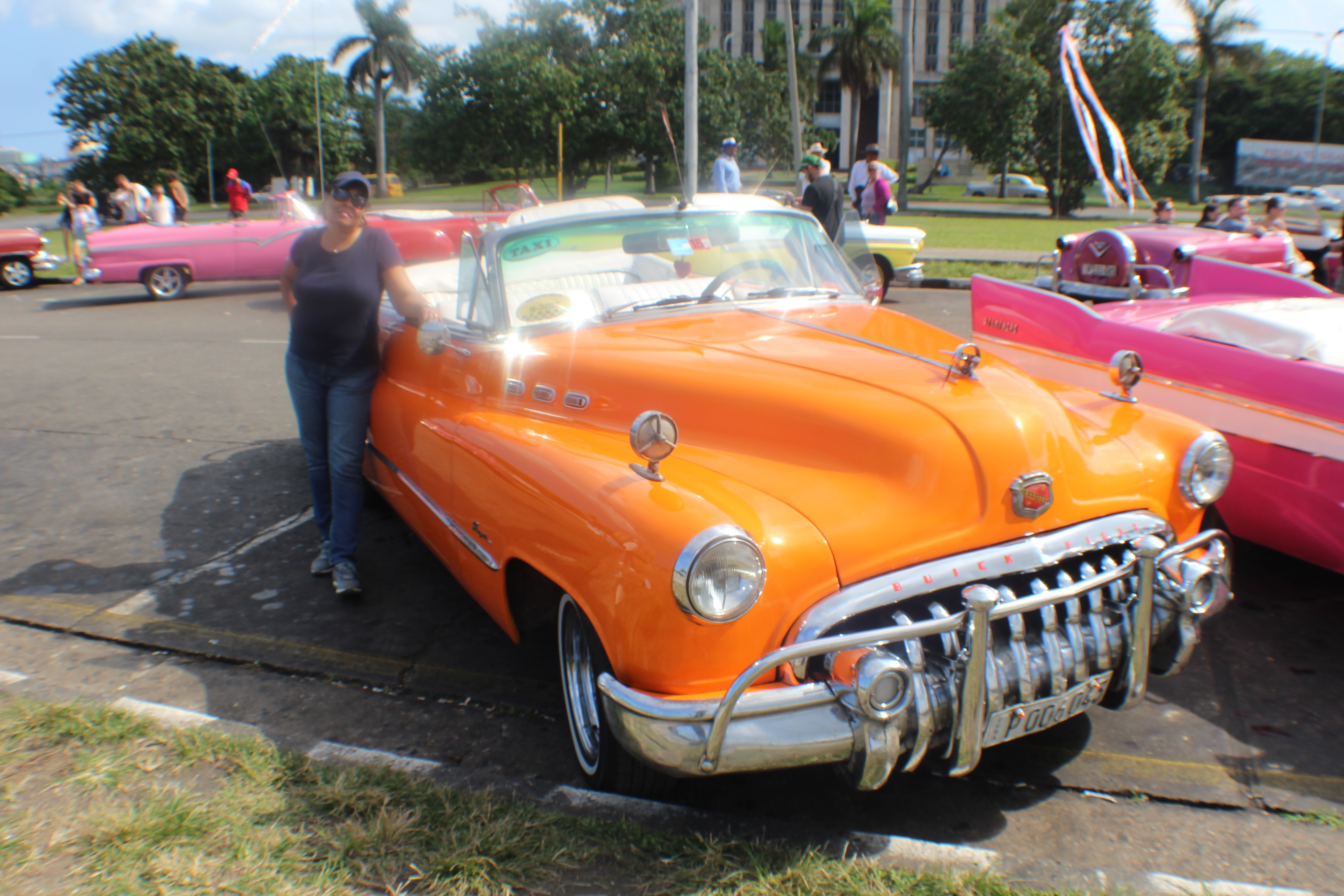
American cars produced in 1959 and younger have special recognition and are treasured.  In Cuba they are icons and help ferry tourists throughout the country.

Buick
Buick Eight